




Try Ask OE! Our NEW Advanced AI Enabled Search
Dive into the Largest Database of
Musculoskeletal Evidence

Trending Content.

 ARTHROPLASTY
ARTHROPLASTY
ARTHROPLASTY
 RESEARCH
RESEARCH
RESEARCH
 EDUCATION
RESEARCH
RESEARCH
ARTHROPLASTY
RESEARCH
EDUCATION
RESEARCH
RESEARCH
ARTHROPLASTY
RESEARCH
 INNOVATION
RESEARCH
INNOVATION
RESEARCH
 SPORTS MEDICINE
ARTHROPLASTY
RESEARCH
SPORTS MEDICINE
SPORTS MEDICINE
ARTHROPLASTY
RESEARCH
 LEADERSHIP

Original Content.
Read More
‘A Bridge to the Future’: SICOT 2026
September 29th - October 1 Kyoto, Japan A robot can position an implant more precisely. An instrument can be tailored to a patient’s anatomy. But when does a more sophisticated operation become a better outcome? That question ran through SICOT’s 46th Orthopedic World Congress. The bridge to the future is taking shape. Its strength will depend on what patients gain when they cross it.

The Invisible Opponent: How Travel Fatigue and Jet Lag Challenge Athletic Performance
For elite athletes, travel is more than a logistical challenge—it can directly affect performance. Long flights, changing time zones, disrupted sleep, dehydration, prolonged sitting, and unfamiliar environments can contribute to jet lag, fatigue, illness, slower reactions, and impaired decision-making. These effects will be especially relevant during the 2026 FIFA World Cup, as teams travel between Canada, Mexico, and the United States while maintaining demanding competition schedules. Strategies such as adjusting sleep before departure, timing light exposure, staying hydrated, using caffeine or melatonin appropriately, and maintaining strong hygiene practices may help athletes adapt more effectively. In a tournament where small performance differences can determine the outcome, managing travel could become an important part of competitive success.

Sidelined Before Kickoff: ACL Injuries and Their Impact on the 2026 FIFA World Cup!
As the 2026 FIFA World Cup approaches, injuries are set to keep several star players off the pitch. Soccer has one of the highest rates of ACL injuries, which often require surgery and up to a year of rehabilitation. While players such as Kylian Mbappé, Lamine Yamal, and Mohamed Salah are expected to recover in time, others, including Rodrygo, Éder Militão, and Ben White, are likely to miss the tournament. As the biggest World Cup in history kicks off, the impact of ACL injuries will be felt far beyond the sidelines, highlighting the challenges athletes face on the road back to competition.

From Miracle to Mystery: What No One Tells You About Peptide Therapy
Peptide therapy is rapidly gaining popularity as the latest “miracle” health trend, promising benefits ranging from faster injury recovery to improved skin, weight loss, and athletic performance. Short chains of amino acids that naturally occur in the body, peptides play important roles in hormone regulation and cellular signalling, yet many of the injectable forms promoted online remain unregulated and lack robust clinical evidence. Despite growing use of compounds such as BPC-157 and TB-500 in sports medicine and orthopaedics, most supporting evidence comes from small human studies or animal research, limiting confidence in their safety and effectiveness. Potential risks include allergic reactions, improper dosing, unknown drug interactions, and complications from self-injection. While early findings appear promising for tissue healing and inflammation, current evidence remains insufficient, highlighting the need for rigorous randomized trials before widespread clinical adoption.
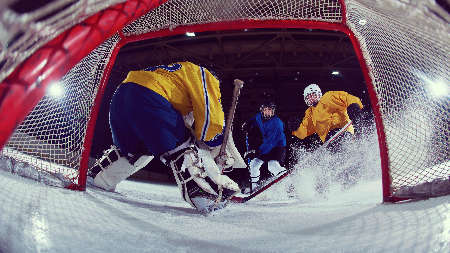
Blades, Body Checks, and Broken Bones: The Unavoidable Cost of Playing in the NHL
Injury is an unavoidable reality in elite sport, and the NHL is no exception. Strains and sprains are common across athletics, while fractures and concussions remain significant risks in professional hockey. Lower-body injuries account for a substantial share of reported cases, with hip and pelvic injuries—particularly labral tears—frequently linked to body checking. Shoulder injuries such as Bankart lesions also contribute to missed games. Although protective equipment like helmets and visors eventually became mandatory, resistance continues around neck guards despite documented fatal incidents. Ultimately, injuries can be reduced through equipment, conditioning, and rule enforcement, but never fully eliminated.
Meet our Association Partners
OrthoEvidence is committed to establishing a culture of evidence-based decision making within the healthcare industry.






ACE Reports.
Read More




Latest Video Content.

 Watch More Videos





Discover More.

OE Subscriptions
Curated content directly to your inbox.
Exclusive Interviews
Go behind the scenes and gain insight from the authors.
Conference Reports
Missed the conference? Catch up with our presentation and abstract summaries.
Ask OE
Have questions on a condition, treatment, or outcome? OE’s AI delivers the evidence-based answers, you’re looking for.News.
Read More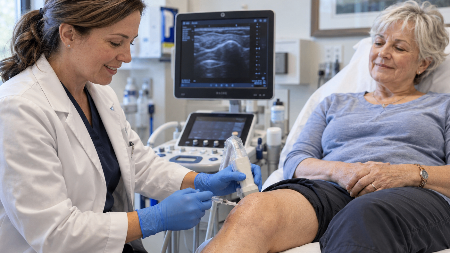
Nonsurgical Knee Procedure Provides Lasting Pain Relief for 80% of Osteoarthritis Patients
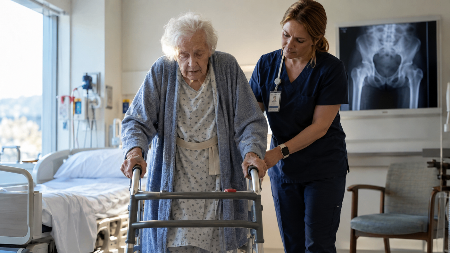
Hip Fractures in Adults Over 85 Carry Substantial Mortality and Prolonged Recovery Risks
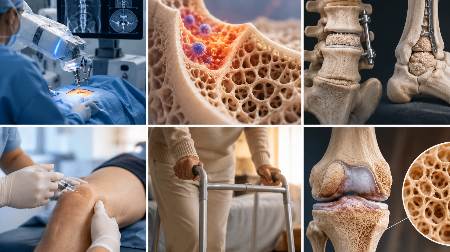
Knee Osteoarthritis Associated With a 22% Higher Risk of Developing Osteoporosis
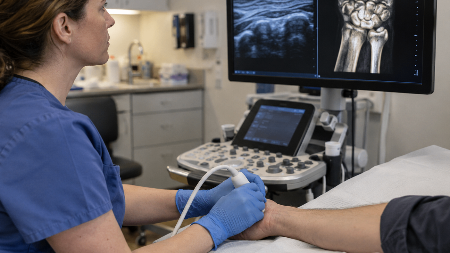
FDA Clears Artificial Intelligence Technology for 3D Skeletal Ultrasound Imaging
Start your free trial today
Expand your perspective with high-quality evidence!