











ARTHROPLASTY
Metal-backed versus all-polyethylene tibial components in primary total knee arthroplasty
OrthoEvidence Journal (OE Journal) - ACE Report
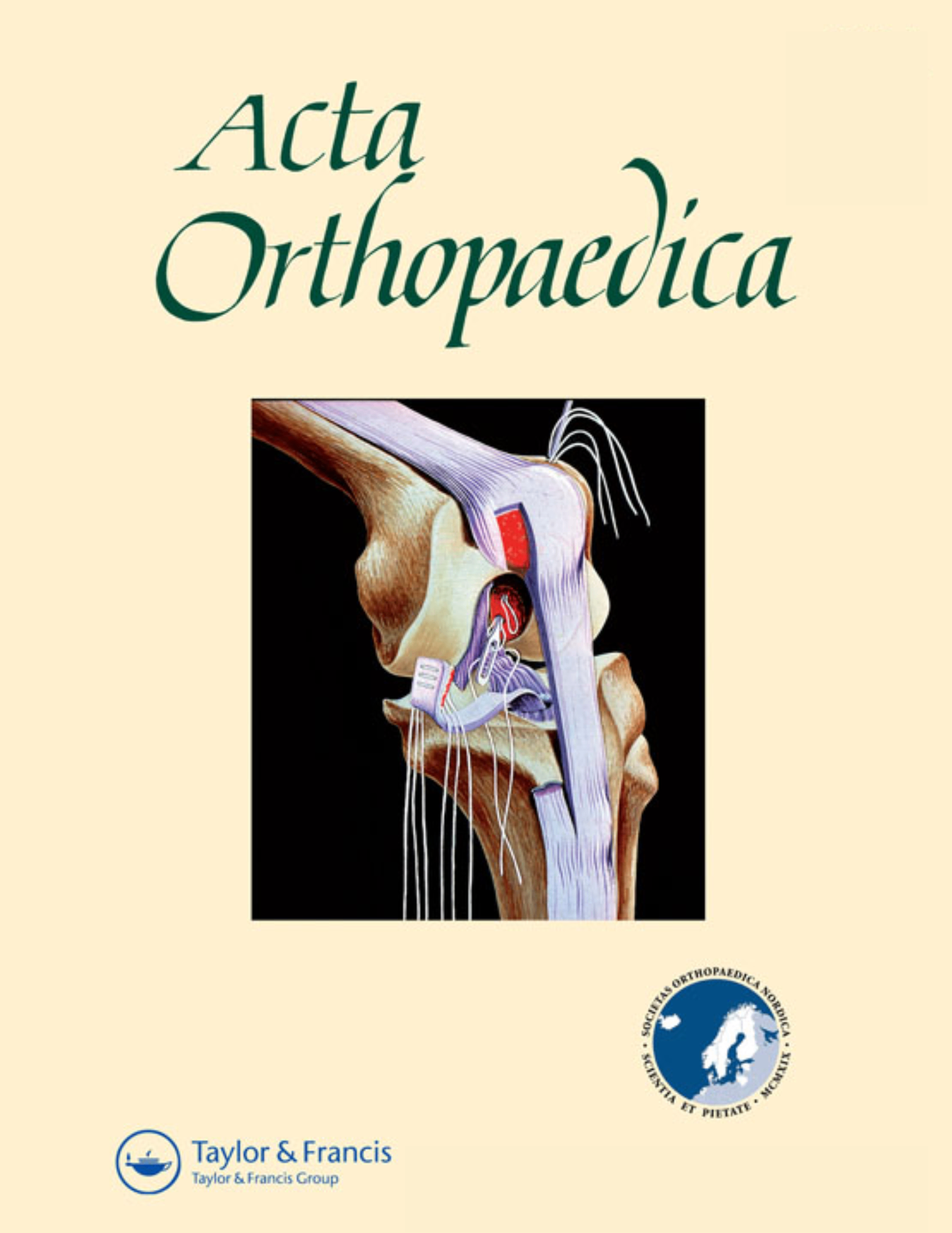
OE Journal. 2013;1(2):22 Acta Orthop. 2011 Oct;82(5):589-95. Epub 2011 Sep 6This meta-analysis and systematic review identified 9 randomized controlled trials that compared all-polyethylene (AP) tibial components to metal-backed (MB) tibial components in primary total knee arthroplasty. The results from this analysis demonstrate no significant difference in radiographic and clinical outcomes between both the AP and MB tibial component groups.
Were the search methods used to find evidence (original research) on the primary question or questions stated?
Was the search for evidence reasonably comprehensive?
Were the criteria used for deciding which studies to include in the overview reported?
Was the bias in the selection of studies avoided?
Were the criteria used for assessing the validity of the included studies reported?
Was the validity of all of the studies referred to in the text assessed with use of appropriate criteria (either in selecting the studies for inclusion or in analyzing the studies that were cited)?
Were the methods used to combine the findings of the relevant studies (to reach a conclusion) reported?
Were the findings of the relevant studies combined appropriately relative to the primary question that the overview addresses?
Were the conclusions made by the author or authors supported by the data and or analysis reported in the overview?
How would you rate the scientific quality of this evidence?
Sì = 1
Incerto = 0,5
Non rilevante = 0
No = 0
La valutazione dei criteri di segnalazione valuta la trasparenza con cui gli autori riportano le caratteristiche metodologiche e sperimentali dello studio all'interno della pubblicazione. La valutazione è suddivisa in cinque categorie che vengono presentate di seguito.
4/4
Introdução
2/4
Acesso aos dados
4/4
Análise dos dados
3/4
Resultados
2/4
Discussão
Detsky AS, Naylor CD, O'Rourke K, McGeer AJ, L'Abbé KA. J Clin Epidemiol. 1992;45:255-65
L'Indice di Fragilità è uno strumento che aiuta l'interpretazione dei risultati significativi, fornendo una misura della forza di un risultato. L'Indice di Fragilità rappresenta il numero di eventi consecutivi che devono essere aggiunti a un risultato dicotomico per rendere il risultato non più significativo. Un numero piccolo rappresenta un risultato più debole, mentre un numero grande rappresenta un risultato più forte.
Perché questo studio era necessario ora?
Tibial component design is an extremely important aspect related to implant failure in total knee arthroplasty. The metal-backed (MB) tibial component design is more commonly used in TKA and is believed to result in better outcomes compared to the use of an all-polyethylene (AP) design. The MB component is thought to have several advantages; however, it is more expensive and can increase wear and tensile stresses during eccentric loading. Although several randomized trials have been performed evaluating the effectiveness of the MB component, this data has not been systematically analysed in order to determine the benefits of the MB component for patients.
Qual era la domanda di ricerca principale?
What are the outcomes of an all-polyethylene (AP) tibial component compared to a metal-back (MB) tibial component, in terms of radiographic and clinical outcomes in patients undergoing total knee arthroplasty?
Quali erano i risultati importanti?
- The mean standardized Detsky score for the overall quality of the studies was 14 (SD 3).
- The pooled results from 4 studies demonstrate that the evidence of radiolucent lines adjacent to the tibial component was higher in the MB group compared to the AP group (41 (27.7%) and 16 (10%), respectively) (RR=2.8, CI: 1.7-4.6; p<0.001; I^2=47%).
- All of the studies demonstrated that there was no significant difference between the two groups with respect to functional outcomes, including Oxford Knee Score, Knee Society Score, Hospital for Special Surgery score, range of motion, quality of life and post-operative complications, as well as implant alignment.
Che cosa devo ricordare di più?
Similar radiologic and clinical results were observed with the use of both the AP and MB tibial components. The increase in frequency of radiolucent lines in the MB group did not lead to an increase in implant failure.
Come influenzerà l'assistenza ai miei pazienti?
The results from this meta-analysis indicate no functional differences between AP and MB tibial components for TKA. However, high quality randomized controlled trials are still required to validate these results.

DISCLAIMER
Il contenuto di questa pagina è solo a scopo informativo e non intende sostituire la consulenza, la diagnosi o il trattamento medico professionale. Se ha bisogno di cure mediche, si rivolga sempre al suo medico o al pronto soccorso più vicino. Le opinioni, le convinzioni e i punti di vista espressi dalle persone sui contenuti presenti in questa pagina non riflettono le opinioni, le convinzioni e i punti di vista di OrthoEvidence.
0 di 4 articoli mensili GRATUITI sbloccati



