










ARTHROPLASTY
A multicenter, randomized controlled trial comparing a second-generation uncemented trabecular metal-backed vs. cemented polyethylene glenoid component in total shoulder arthroplasty: 5-year results.
OrthoEvidence Journal (OE Journal) - ACE Report
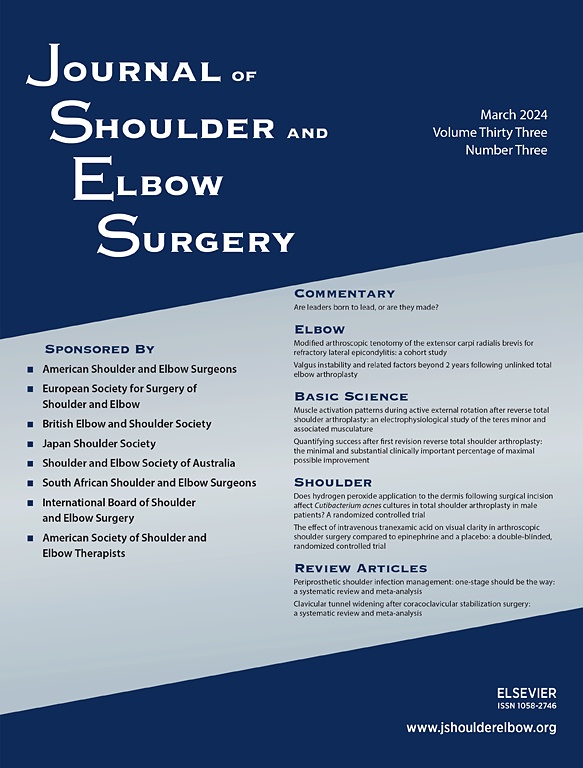
OE Journal. 2024;12(16):1 J Shoulder Elbow Surg . 2024 May;33(5):1004-1016.Study Summary
Ninety-three patients with primary glenohumeral osteoarthritis were randomized to receive either a second-generation uncemented trabecular metal-backed (TM) glenoid (n=46) or a cemented polyethylene (POLY) glenoid (n=47). The primary outcome was the Western Ontario Osteoarthritis of the Shoulder (WOOS) quality of life score. Secondary outcomes included the American Shoulder and Elbow Surgeons Standardized Shoulder Assessment Form (ASES), EuroQol–5 Dimensions (EQ-5D), and the 12-Item Short Form Health Survey (SF-12). Outcomes were assessed at baseline, 2 years, and 5 years postoperatively. Overall, the results revealed no statistically or clinically significant differences between the TM and POLY groups in terms of WOOS, with both groups showing significant improvement from baseline. The rate of metal debris in the TM group was 23.9%, but this did not negatively impact patient outcomes. At 5 years, both implants demonstrated similar outcomes in terms of quality of life and shoulder function, with no implant failures reported. This suggests that both glenoids offer comparable long-term benefits for patients.
Unlock the Full ACE Report
You have access to 4 more FREE articles this month.
Click below to unlock and view this ACE Reports
Unlock Now
Critical appraisals of the latest, high-impact randomized controlled trials and systematic reviews in orthopaedics
Access to OrthoEvidence podcast content, including collaborations with the Journal of Bone and Joint Surgery, interviews with internationally recognized surgeons, and roundtable discussions on orthopaedic news and topics
Subscription to The Pulse, a twice-weekly evidence-based newsletter designed to help you make better clinical decisions
Exclusive access to original content articles, including in-house systematic reviews, and articles on health research methods and hot orthopaedic topics
Or upgrade today and gain access to all OrthoEvidencecontent for as little as $1.99 per week.
Already have an account? Log in
Are you affiliated with one of our partner associations?
Click here to gain complimentary access as part your association member benefits!



0 of 4 monthly FREE articles unlocked



