










SPINE
Effect of Adding Neural Mobilization Versus Myofascial Release to Stabilization Exercises after Lumbar Spine Fusion: A Randomized Controlled Trial
OrthoEvidence Journal (OE Journal) - ACE Report
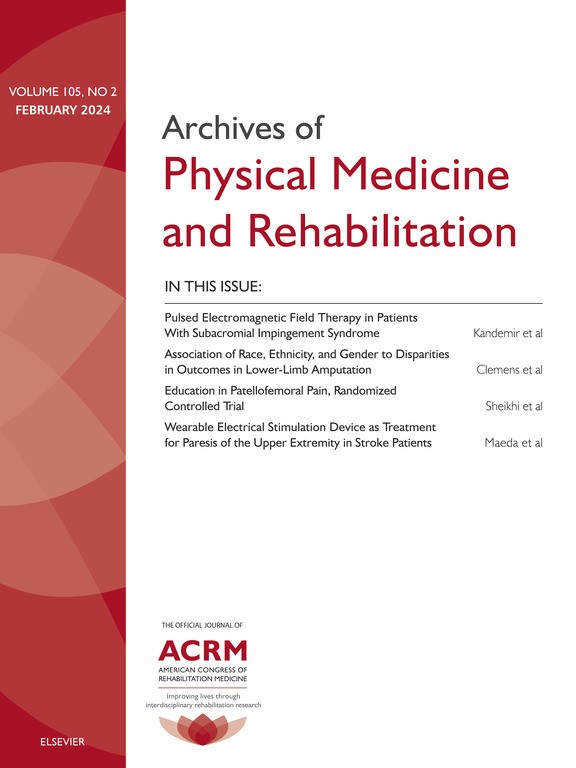
OE Journal. 2021;9(5):25 Arch Phys Med Rehabil . 2021 Feb;102(2):251-260Resumo do estudo
Sixty patients who were diagnosed with degenerative disc disease with or without spinal stenosis who underwent lumbar spine fusion (LSF) were randomized to undergo 4 weeks of physical therapy consisting of stabilization exercises alone (n=20), stabilization exercises combined with neural mobilization (NM; n=20), or stabilization exercises combined with myofascial release (MFR; n=20). Outcomes of interest included the following: pain scores on a Visual Analogue Scale (VAS), disability evaluated on the Oswestry Disability Index (ODI), and lumbar range of motion (ROM) (i.e. left lateral flexion, left rotation, right rotation, right lateral flexion). All outcomes were measured at the completion of intervention and 1 month post-intervention. Results revealed that VAS pain and ODI scores were statistically significantly in favour of the NM group compared to the MFR group, as well as in NM group when compared to stabilization exercise alone group, at all timepoints (p<0.05 for all). ODI and VAS pain scores were statistically significantly favored in the MFR group when compared to stabilization exercise alone group at all timepoints (p<0.05 for all). All other outcomes were not statistically significantly different between groups at all time periods (p>0.05 for all).
Desbloqueie o relatório completo da ACE
Tem acesso a 4 mais artigos GRATUITOS este mês.
Clique abaixo para desbloquear e ver este ACE Reports
Desbloqueie agora
Avaliações críticas dos mais recentes ensaios clínicos aleatórios de alto impacto e revisões sistemáticas em ortopedia
Acesso ao conteúdo do podcast OrthoEvidence, incluindo colaborações com o Journal of Bone and Joint Surgery, entrevistas com cirurgiões reconhecidos internacionalmente e discussões em mesa redonda sobre notícias e tópicos ortopédicos
Subscrição do The Pulse, um boletim informativo duas vezes por semana baseado em evidências, concebido para o ajudar a tomar melhores decisões clínicas
Acesso exclusivo a artigos de conteúdo original, incluindo revisões sistemáticas internas e artigos sobre métodos de investigação em saúde e tópicos ortopédicos importantes
Ou actualize hoje e obtenha acesso a todo o conteúdo da OrthoEvidence por apenas $1,99 por semana.
Já tem uma conta? Inicie sessão
Está afiliado a uma das nossas associações parceiras?
Clique aqui para obter acesso gratuito como parte dos benefícios de membro da sua associação!


Subscreva a "O Pulso"
Ortopedia baseada em evidências diretamente para a sua caixa de correio. SUBSCREVA-SE
0 de 4 artigos mensais GRATUITOS desbloqueados



