










GENERAL ORTHOPAEDICS
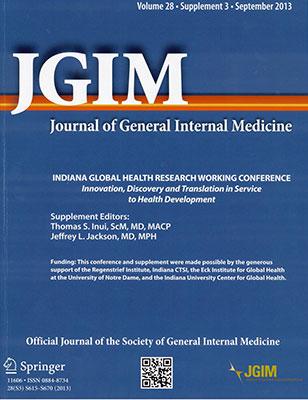
Exercise to Reduce Mobility Disability and Prevent Falls After Fall-Related Leg or Pelvic Fracture: RESTORE Randomized Controlled Trial.
OrthoEvidence Journal (OE Journal) - ACE Report
OE Journal. 2021;9(3):9 J Gen Intern Med . 2020 Oct;35(10):2907-2916Resumen del estudio
Three hundred and thirty-six patients who sustained lower limb or pelvic fractures were randomized to undergo a home-based exercise program (weight-bearing, balance, and strength exercises; n=168) compared to usual care (n=168) to reduce the risk of falling and improve mobility. Primary outcomes of interest included the incidence of falling and were mobility-related disability at 12 months follow-up. Mobility-related disability was evaluated using the following measures: the performance-based Short Physical Performance Battery (SPPB), the Activity Measure Post Acute Care (AM-PAC), and Late Life Disability Instrument (LLDI). Secondary outcomes of measure included the sit to stand test, gait speed, standing balance, single leg stance time, maximum balance range, coordinated stability, step test, choice stepping reaction time, mood measured using the the Geriatric Depression Scale (GDS) and the positive and negative affect schedule (PNASS), incidence of community outings (i.e. visits to relatives/month), risk of falls (i.e. Physiological Profile Assessment [PPA]), use of walking aid, stage of motivational readiness for change, incidence of pain, self-rated health, knee extension strength, lower limb proprioception, postural sway on foam, physical activity (i.e. home exercises, planned activities, total habitual) and visual contrast sensitivity. All outcomes except for sub-scores of AMPAC were measured at 12 months, where AMPAC sub-scores were also measured at 3, 6, and 9 months follow-up. The results demonstrated that none of the primary outcomes were statistically significantly different between the 2 groups (p>0.05 for all). The SPPB (12-point version) (p=0.009), time from sit to stand (p=0.016), single leg stance time (p=0.03), time to complete routine (p=0.001), AMPAC-daily activity at 6 months, activity difficulty from calendars (p=0.04) at 9 months, visual contrast sensitivity (p=0.006), knee extension strength (p=0.017), home exercises (p=0.04), planned activities (p=0.006), lower limb proprioception (p=0.042), GDS mood (p=0.03), and community outings (p=0.007) were all statistically significantly in favour of the exercise program at 12 months normalized to baseline compared to control (p<0.05).
Desbloquear el informe ACE completo
Tiene acceso a 4 más artículos GRATUITOS este mes.
Haga clic a continuación para desbloquear y ver este ACE Reports
Desbloquear ahora
Evaluaciones críticas de los últimos ensayos controlados aleatorizados de gran impacto y revisiones sistemáticas en ortopedia
Acceso al contenido del podcast OrthoEvidence, que incluye colaboraciones con el Journal of Bone and Joint Surgery, entrevistas con cirujanos reconocidos internacionalmente y mesas redondas sobre noticias y temas ortopédicos
Suscripción a The Pulse, un boletín quincenal basado en la evidencia y diseñado para ayudarle a tomar mejores decisiones clínicas
Acceso exclusivo a artículos de contenido original, incluidas revisiones sistemáticas propias, y artículos sobre métodos de investigación sanitaria y temas ortopédicos de actualidad
O actualícese hoy mismo y obtenga acceso a todo el contenido de OrthoEvidencepor tan sólo 1,99 $ a la semana.
¿Ya tiene una cuenta? Conectarse
¿Está afiliado a una de nuestras asociaciones colaboradoras?
¡Haga clic aquí para obtener acceso gratuito como parte de los beneficios de miembro de su asociación!


Suscríbase a "El Pulso"
Ortopedia basada en la evidencia directamente a su bandeja de entrada. SUSCRIBIRSE
0 de 4 artículos mensuales GRATIS desbloqueados



