










GENERAL ORTHOPAEDICS
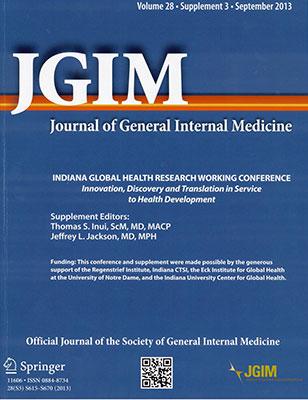
Exercise to Reduce Mobility Disability and Prevent Falls After Fall-Related Leg or Pelvic Fracture: RESTORE Randomized Controlled Trial.
OrthoEvidence Journal (OE Journal) - ACE Report
OE Journal. 2021;9(3):9 J Gen Intern Med . 2020 Oct;35(10):2907-2916ملخص الدراسة
Three hundred and thirty-six patients who sustained lower limb or pelvic fractures were randomized to undergo a home-based exercise program (weight-bearing, balance, and strength exercises; n=168) compared to usual care (n=168) to reduce the risk of falling and improve mobility. Primary outcomes of interest included the incidence of falling and were mobility-related disability at 12 months follow-up. Mobility-related disability was evaluated using the following measures: the performance-based Short Physical Performance Battery (SPPB), the Activity Measure Post Acute Care (AM-PAC), and Late Life Disability Instrument (LLDI). Secondary outcomes of measure included the sit to stand test, gait speed, standing balance, single leg stance time, maximum balance range, coordinated stability, step test, choice stepping reaction time, mood measured using the the Geriatric Depression Scale (GDS) and the positive and negative affect schedule (PNASS), incidence of community outings (i.e. visits to relatives/month), risk of falls (i.e. Physiological Profile Assessment [PPA]), use of walking aid, stage of motivational readiness for change, incidence of pain, self-rated health, knee extension strength, lower limb proprioception, postural sway on foam, physical activity (i.e. home exercises, planned activities, total habitual) and visual contrast sensitivity. All outcomes except for sub-scores of AMPAC were measured at 12 months, where AMPAC sub-scores were also measured at 3, 6, and 9 months follow-up. The results demonstrated that none of the primary outcomes were statistically significantly different between the 2 groups (p>0.05 for all). The SPPB (12-point version) (p=0.009), time from sit to stand (p=0.016), single leg stance time (p=0.03), time to complete routine (p=0.001), AMPAC-daily activity at 6 months, activity difficulty from calendars (p=0.04) at 9 months, visual contrast sensitivity (p=0.006), knee extension strength (p=0.017), home exercises (p=0.04), planned activities (p=0.006), lower limb proprioception (p=0.042), GDS mood (p=0.03), and community outings (p=0.007) were all statistically significantly in favour of the exercise program at 12 months normalized to baseline compared to control (p<0.05).
افتح تقرير ACE الكامل
لديك إمكانية الوصول إلى المزيد من المقالات المجانية هذا الشهر، انقر أدناه لفتح هذا ACE Reports
افتح الآنتقييمات نقدية لأحدث التجارب المعشاة ذات الشواهد عالية التأثير والمراجعات المنهجية في جراحة العظام
الوصول إلى محتوى المدونة الصوتية OrthoEvidence، بما في ذلك التعاون مع مجلة جراحة العظام والمفاصل، ومقابلات مع جراحين معترف بهم دوليًا، ومناقشات المائدة المستديرة حول أخبار وموضوعات جراحة العظام
الاشتراك في النشرة الإخبارية The Pulse، وهي نشرة إخبارية مبنية على الأدلة مرتين أسبوعيًا مصممة لمساعدتك في اتخاذ قرارات سريرية أفضل
إمكانية الوصول الحصري إلى مقالات المحتوى الأصلي، بما في ذلك المراجعات المنهجية الداخلية، ومقالات عن طرق البحث الصحي وموضوعات جراحة العظام الساخنة
أو قم بالترقية اليوم واحصل على إمكانية الوصول إلى جميع محتويات OrthoEvidence مقابل 1.99 دولارًا أمريكيًا في الأسبوع.
هل لديك حساب بالفعل؟ تسجيل الدخول
هل أنت منتسب إلى إحدى الجمعيات الشريكة لنا؟
انقر هنا لتحصل على وصول مجاني كجزء من مزايا عضوية جمعيتك!


0 من 4 مقالات مجانية شهرية غير مقفلة



