










GENERAL ORTHOPAEDICS
Exercise to Reduce Mobility Disability and Prevent Falls After Fall-Related Leg or Pelvic Fracture: RESTORE Randomized Controlled Trial.
OrthoEvidence Journal (OE Journal) - ACE Report
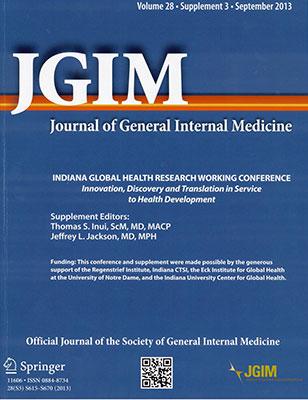
OE Journal. 2021;9(3):9 J Gen Intern Med . 2020 Oct;35(10):2907-2916Study Summary
Three hundred and thirty-six patients who sustained lower limb or pelvic fractures were randomized to undergo a home-based exercise program (weight-bearing, balance, and strength exercises; n=168) compared to usual care (n=168) to reduce the risk of falling and improve mobility. Primary outcomes of interest included the incidence of falling and were mobility-related disability at 12 months follow-up. Mobility-related disability was evaluated using the following measures: the performance-based Short Physical Performance Battery (SPPB), the Activity Measure Post Acute Care (AM-PAC), and Late Life Disability Instrument (LLDI). Secondary outcomes of measure included the sit to stand test, gait speed, standing balance, single leg stance time, maximum balance range, coordinated stability, step test, choice stepping reaction time, mood measured using the the Geriatric Depression Scale (GDS) and the positive and negative affect schedule (PNASS), incidence of community outings (i.e. visits to relatives/month), risk of falls (i.e. Physiological Profile Assessment [PPA]), use of walking aid, stage of motivational readiness for change, incidence of pain, self-rated health, knee extension strength, lower limb proprioception, postural sway on foam, physical activity (i.e. home exercises, planned activities, total habitual) and visual contrast sensitivity. All outcomes except for sub-scores of AMPAC were measured at 12 months, where AMPAC sub-scores were also measured at 3, 6, and 9 months follow-up. The results demonstrated that none of the primary outcomes were statistically significantly different between the 2 groups (p>0.05 for all). The SPPB (12-point version) (p=0.009), time from sit to stand (p=0.016), single leg stance time (p=0.03), time to complete routine (p=0.001), AMPAC-daily activity at 6 months, activity difficulty from calendars (p=0.04) at 9 months, visual contrast sensitivity (p=0.006), knee extension strength (p=0.017), home exercises (p=0.04), planned activities (p=0.006), lower limb proprioception (p=0.042), GDS mood (p=0.03), and community outings (p=0.007) were all statistically significantly in favour of the exercise program at 12 months normalized to baseline compared to control (p<0.05).
Unlock the Full ACE Report
You have access to 4 more FREE articles this month.
Click below to unlock and view this ACE Reports
Unlock Now
Critical appraisals of the latest, high-impact randomized controlled trials and systematic reviews in orthopaedics
Access to OrthoEvidence podcast content, including collaborations with the Journal of Bone and Joint Surgery, interviews with internationally recognized surgeons, and roundtable discussions on orthopaedic news and topics
Subscription to The Pulse, a twice-weekly evidence-based newsletter designed to help you make better clinical decisions
Exclusive access to original content articles, including in-house systematic reviews, and articles on health research methods and hot orthopaedic topics
Or upgrade today and gain access to all OrthoEvidencecontent for as little as $1.99 per week.
Already have an account? Log in
Are you affiliated with one of our partner associations?
Click here to gain complimentary access as part your association member benefits!


0 of 4 monthly FREE articles unlocked



