






شارك


تحميل


اقتباس


+ المفضلة
شارك
تحميل
اقتباس
+ المفضلة
RESEARCH
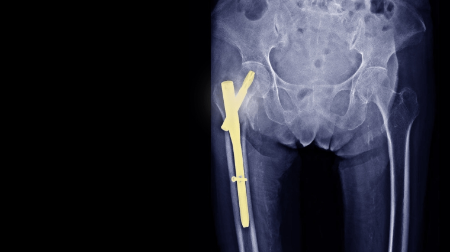
Hitting the Nail on the Head? Evolution of the cephalomedullary nail in the fixation of intertrochanteric hip fractures .
OrthoEvidence Journal (OE Journal) - OE Original
OE Journal. 2020;8(5):1New insights into fixation for intertrochanteric hip fractures highlight how device evolution has reshaped outcomes. Earlier studies raised concerns about higher revision rates with older cephalomedullary nails, but pooled data from randomized trials show that newer-generation designs no longer carry that elevated risk when compared with sliding hip screws. Across multiple timepoints, CMNs consistently produced quicker gains in mobility, with functional advantages emerging as early as 1–2 months and persisting at later follow-up, particularly with modern implants. Variation in study quality and heterogeneity limits absolute certainty, yet the overall trend suggests that improvements in implant engineering and surgical familiarity have narrowed historical gaps and may now favour CMN use for both early and longer-term recovery.
هل لديك حساب بالفعل؟ تسجيل الدخول
هل أنت عضو في إحدى الجمعيات؟ انقر هنا، قد يكون لديك بالفعل وصول كامل!
افتح المقال الأصلي كاملاً
لديك إمكانية الوصول إلى المزيد من المقالات المجانية هذا الشهر، انقر أدناه لفتح هذا original article
افتح الآنتقييمات نقدية لأحدث التجارب المعشاة ذات الشواهد عالية التأثير والمراجعات المنهجية في جراحة العظام
الوصول إلى محتوى المدونة الصوتية OrthoEvidence، بما في ذلك التعاون مع مجلة جراحة العظام والمفاصل، ومقابلات مع جراحين معترف بهم دوليًا، ومناقشات المائدة المستديرة حول أخبار وموضوعات جراحة العظام
الاشتراك في النشرة الإخبارية The Pulse، وهي نشرة إخبارية مبنية على الأدلة مرتين أسبوعيًا مصممة لمساعدتك في اتخاذ قرارات سريرية أفضل
إمكانية الوصول الحصري إلى مقالات المحتوى الأصلي، بما في ذلك المراجعات المنهجية الداخلية، ومقالات عن طرق البحث الصحي وموضوعات جراحة العظام الساخنة
أو قم بالترقية اليوم واحصل على إمكانية الوصول إلى جميع محتويات OrthoEvidence مقابل 1.99 دولارًا أمريكيًا في الأسبوع.
هل لديك حساب بالفعل؟ تسجيل الدخول
هل أنت منتسب إلى إحدى الجمعيات الشريكة لنا؟
انقر هنا لتحصل على وصول مجاني كجزء من مزايا عضوية جمعيتك!



0 من 4 مقالات مجانية شهرية غير مقفلة



