










ARTHROPLASTY
Periarticular Injection with Bupivacaine for Postoperative Pain Control in Total Knee Replacement: A Prospective Randomized Double-Blind Controlled Trial
OrthoEvidence Journal (OE Journal) - ACE Report
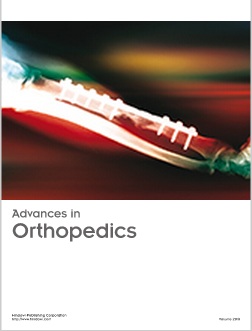
OE Journal. 2013;1(11):52 Adv Orthop. 2012;2012:107309. doi: 10.1155/2012/107309. Epub 2012 Oct 2260 osteoarthritis patients undergoing total knee arthroplasty (TKA) were randomized to receive a periarticular injection of bupivacaine or saline prior to closure of the wound. Over the first 6 hours after surgery, patients in the bupivacaine group consumed significantly less morphine than the saline group. However, this difference was not significant between 6 and 96 hours after the operation. The two groups also did not differ in the occurrence of wound complications, pain, morphine side effects, and length of stay at the hospital over 96 hours.
افتح تقرير ACE الكامل
لديك إمكانية الوصول إلى المزيد من المقالات المجانية هذا الشهر، انقر أدناه لفتح هذا ACE Reports
افتح الآنتقييمات نقدية لأحدث التجارب المعشاة ذات الشواهد عالية التأثير والمراجعات المنهجية في جراحة العظام
الوصول إلى محتوى المدونة الصوتية OrthoEvidence، بما في ذلك التعاون مع مجلة جراحة العظام والمفاصل، ومقابلات مع جراحين معترف بهم دوليًا، ومناقشات المائدة المستديرة حول أخبار وموضوعات جراحة العظام
الاشتراك في النشرة الإخبارية The Pulse، وهي نشرة إخبارية مبنية على الأدلة مرتين أسبوعيًا مصممة لمساعدتك في اتخاذ قرارات سريرية أفضل
إمكانية الوصول الحصري إلى مقالات المحتوى الأصلي، بما في ذلك المراجعات المنهجية الداخلية، ومقالات عن طرق البحث الصحي وموضوعات جراحة العظام الساخنة
أو قم بالترقية اليوم واحصل على إمكانية الوصول إلى جميع محتويات OrthoEvidence مقابل 1.99 دولارًا أمريكيًا في الأسبوع.
هل لديك حساب بالفعل؟ تسجيل الدخول
هل أنت منتسب إلى إحدى الجمعيات الشريكة لنا؟
انقر هنا لتحصل على وصول مجاني كجزء من مزايا عضوية جمعيتك!


0 من 4 مقالات مجانية شهرية غير مقفلة



