










SPINE
Risk-stratified Care Improves Pain-related Knowledge and Reduces Psychological Distress for Low Back Pain: A Secondary Analysis of a Randomized Trial.
 Este estudo foi identificado como tendo um impacto potencialmente elevado.
A métrica de Alto Impacto da OE, baseada em IA, estima a influência que um artigo poderá ter, integrando sinais da revista em que é publicado e do conteúdo científico do próprio artigo.
Desenvolvido com recurso ao mais avançado processamento de linguagem natural, o modelo High Impact da OE prevê com maior precisão o desempenho futuro de um estudo em termos de citações do que o fator de impacto da revista por si só.
Isto permite o reconhecimento precoce de investigação clinicamente significativa e ajuda os leitores a concentrarem-se nos artigos com maior probabilidade de moldar a prática futura.
Este estudo foi identificado como tendo um impacto potencialmente elevado.
A métrica de Alto Impacto da OE, baseada em IA, estima a influência que um artigo poderá ter, integrando sinais da revista em que é publicado e do conteúdo científico do próprio artigo.
Desenvolvido com recurso ao mais avançado processamento de linguagem natural, o modelo High Impact da OE prevê com maior precisão o desempenho futuro de um estudo em termos de citações do que o fator de impacto da revista por si só.
Isto permite o reconhecimento precoce de investigação clinicamente significativa e ajuda os leitores a concentrarem-se nos artigos com maior probabilidade de moldar a prática futura.
OrthoEvidence Journal (OE Journal) - ACE Report
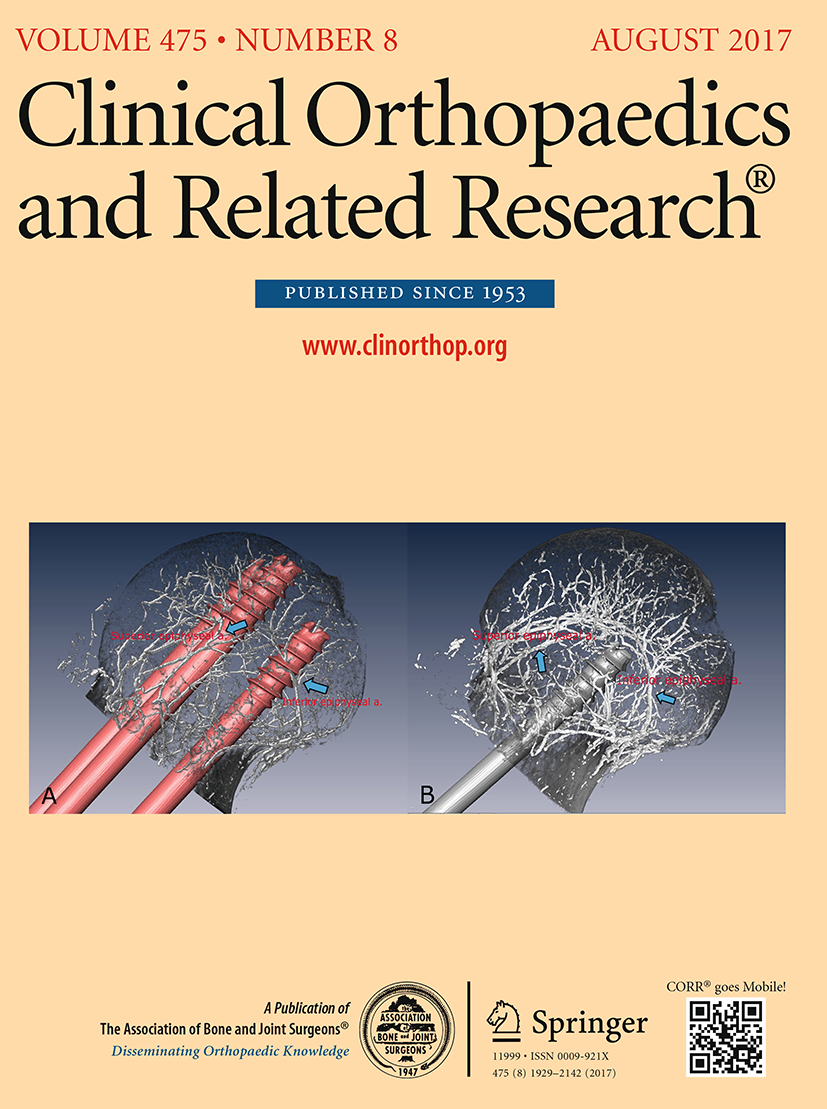
OE Journal. 2025;13(20):52 Clin Orthop Relat Res . 2025 Apr 1;483(4):607-620.Resumo do estudo
In this secondary analysis, our of two hundred and ninty patients with low back pain (LBP) two hundred and fifty nine were analyzed after randomization, to risk-stratified, psychologically-informed physical therapy (n=129) or usual care (n=130). The primary outcome was pain beliefs at 6 weeks assessed by the revised Neurophysiology of Pain Questionnaire (rNPQ, knowledge) and the Survey of Pain Attitudes—harm subscale (SOPA-h, attitudes). The secondary outcome was pain-related psychological distress quantified by OSPRO-Yellow Flags (count of “yellow flags” across 11 constructs). Outcomes were assessed at baseline and 6 weeks using adjusted models. Overall, the results revealed small but statistically significant improvements in rNPQ and reductions in OSPRO yellow-flag count with risk-stratified care versus usual care, while SOPA-h did not differ. In short, immediate post-treatment changes favored risk-stratified care for knowledge and distress, suggesting early cognitive-affective benefits that may mediate later clinical outcomes.
Desbloqueie o relatório completo da ACE
Tem acesso a 4 mais artigos GRATUITOS este mês.
Clique abaixo para desbloquear e ver este ACE Reports
Desbloqueie agora
Avaliações críticas dos mais recentes ensaios clínicos aleatórios de alto impacto e revisões sistemáticas em ortopedia
Acesso ao conteúdo do podcast OrthoEvidence, incluindo colaborações com o Journal of Bone and Joint Surgery, entrevistas com cirurgiões reconhecidos internacionalmente e discussões em mesa redonda sobre notícias e tópicos ortopédicos
Subscrição do The Pulse, um boletim informativo duas vezes por semana baseado em evidências, concebido para o ajudar a tomar melhores decisões clínicas
Acesso exclusivo a artigos de conteúdo original, incluindo revisões sistemáticas internas e artigos sobre métodos de investigação em saúde e tópicos ortopédicos importantes
Ou actualize hoje e obtenha acesso a todo o conteúdo da OrthoEvidence por apenas $1,99 por semana.
Já tem uma conta? Inicie sessão
Está afiliado a uma das nossas associações parceiras?
Clique aqui para obter acesso gratuito como parte dos benefícios de membro da sua associação!


Subscreva a "O Pulso"
Ortopedia baseada em evidências diretamente para a sua caixa de correio. SUBSCREVA-SE
0 de 4 artigos mensais GRATUITOS desbloqueados



