










PHYSICAL THERAPY & REHAB
Combined arm stretch positioning and neuromuscular electrical stimulation during rehabilitation does not improve range of motion, shoulder pain or function in patients after stroke: a randomised trial
OrthoEvidence Journal (OE Journal) - ACE Report
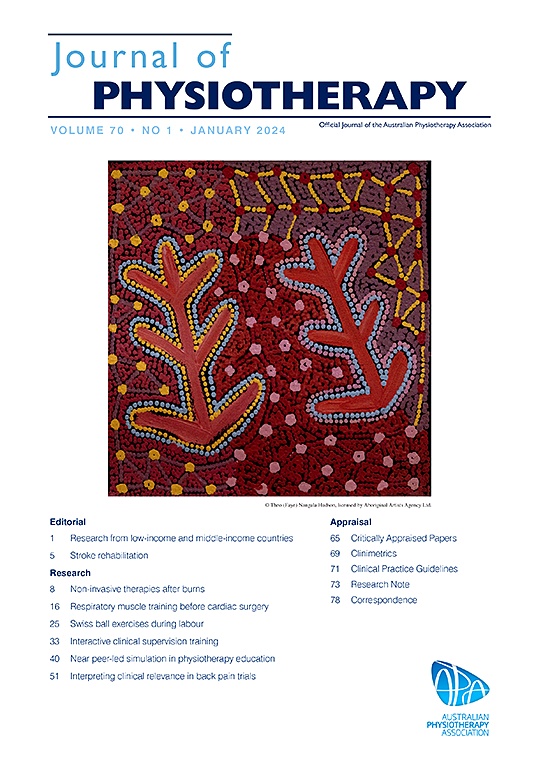
OE Journal. 2014;2(7):19 J Physiother. 2013 Dec;59(4):245-54. doi: 10.1016/S1836-9553(13)70201-746 patients who had sustained a stroke resulting in paralysis or severe paresis in their upper limb, and a poor prognosis for functional recovery were randomized to undergo an 8-week treatment regimen of either neuromuscular electrical stimulation (NMES) and simultaneous passive range of motion stretches, or a sham treatment. This study was conducted in the sub-acute phase of stroke. Upon completion of the treatment period, results indicated that there was no significant difference in arm passive range of motion, shoulder pain, the ability to perform basic arm activities, the severity of hypertonia/spasticity, arm motor control and subluxation between the experimental and control groups.
Unlock the Full ACE Report
You have access to 4 more FREE articles this month.
Click below to unlock and view this ACE Reports
Unlock Now
Critical appraisals of the latest, high-impact randomized controlled trials and systematic reviews in orthopaedics
Access to OrthoEvidence podcast content, including collaborations with the Journal of Bone and Joint Surgery, interviews with internationally recognized surgeons, and roundtable discussions on orthopaedic news and topics
Subscription to The Pulse, a twice-weekly evidence-based newsletter designed to help you make better clinical decisions
Exclusive access to original content articles, including in-house systematic reviews, and articles on health research methods and hot orthopaedic topics
Or upgrade today and gain access to all OrthoEvidencecontent for as little as $1.99 per week.
Already have an account? Log in
Are you affiliated with one of our partner associations?
Click here to gain complimentary access as part your association member benefits!



0 of 4 monthly FREE articles unlocked



