











PERI-OPERATIVE
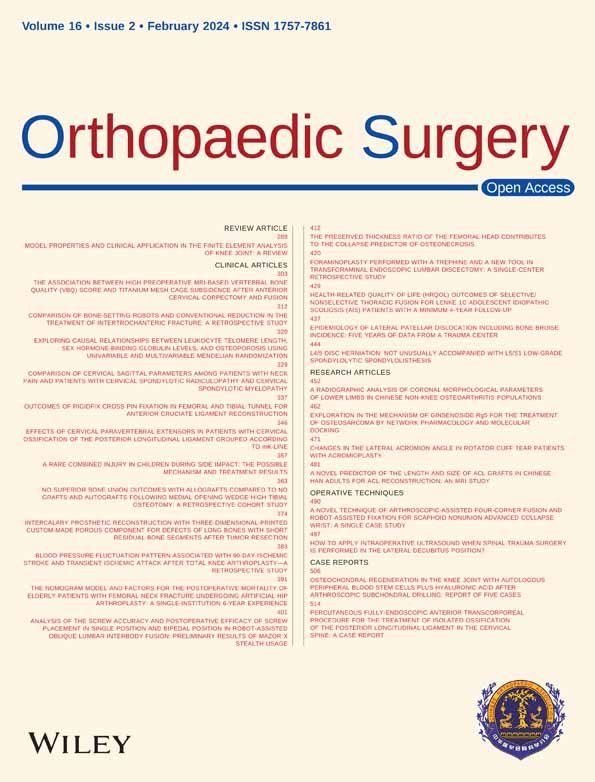
Efficacy of Adding Acetaminophen to Preemptive Multimodal Analgesia in Total Knee Arthroplasty: A Double-blinded Randomized Study.
OrthoEvidence Journal (OE Journal) - ACE Report
OE Journal. 2025;13(6):35 Orthop Surg. 2023 Sep;15(9):2283-2290.Study Summary
Eighty patients with osteoarthritis undergoing primary unilateral total knee arthroplasty were randomized to receive either a combination of celecoxib, pregabalin, and acetaminophen (n=40) or celecoxib, pregabalin, and placebo (n=40) two hours prior to surgery. The primary outcome was total morphine consumption postoperatively. Secondary outcomes included time to initial rescue analgesia, pain scores via VAS, functional recovery (knee range of motion and ambulation distance), hospitalization duration, and postoperative complications. Outcomes were assessed up to 48 hours postoperatively. Overall, the results of the study revealed no significant differences between groups for any outcomes, including morphine use (P=0.242), pain scores, or functional recovery. These findings suggest that adding acetaminophen to preemptive multimodal analgesia does not improve postoperative pain control or reduce opioid use after total knee arthroplasty.
Unlock the Full ACE Report
You have access to 4 more FREE articles this month.
Click below to unlock and view this ACE Reports
Unlock Now
Critical appraisals of the latest, high-impact randomized controlled trials and systematic reviews in orthopaedics
Access to OrthoEvidence podcast content, including collaborations with the Journal of Bone and Joint Surgery, interviews with internationally recognized surgeons, and roundtable discussions on orthopaedic news and topics
Subscription to The Pulse, a twice-weekly evidence-based newsletter designed to help you make better clinical decisions
Exclusive access to original content articles, including in-house systematic reviews, and articles on health research methods and hot orthopaedic topics
Or upgrade today and gain access to all OrthoEvidencecontent for as little as $1.99 per week.
Already have an account? Log in
Are you affiliated with one of our partner associations?
Click here to gain complimentary access as part your association member benefits!



0 of 4 monthly FREE articles unlocked



