






LEADERSHIP | 12月 09, 2025
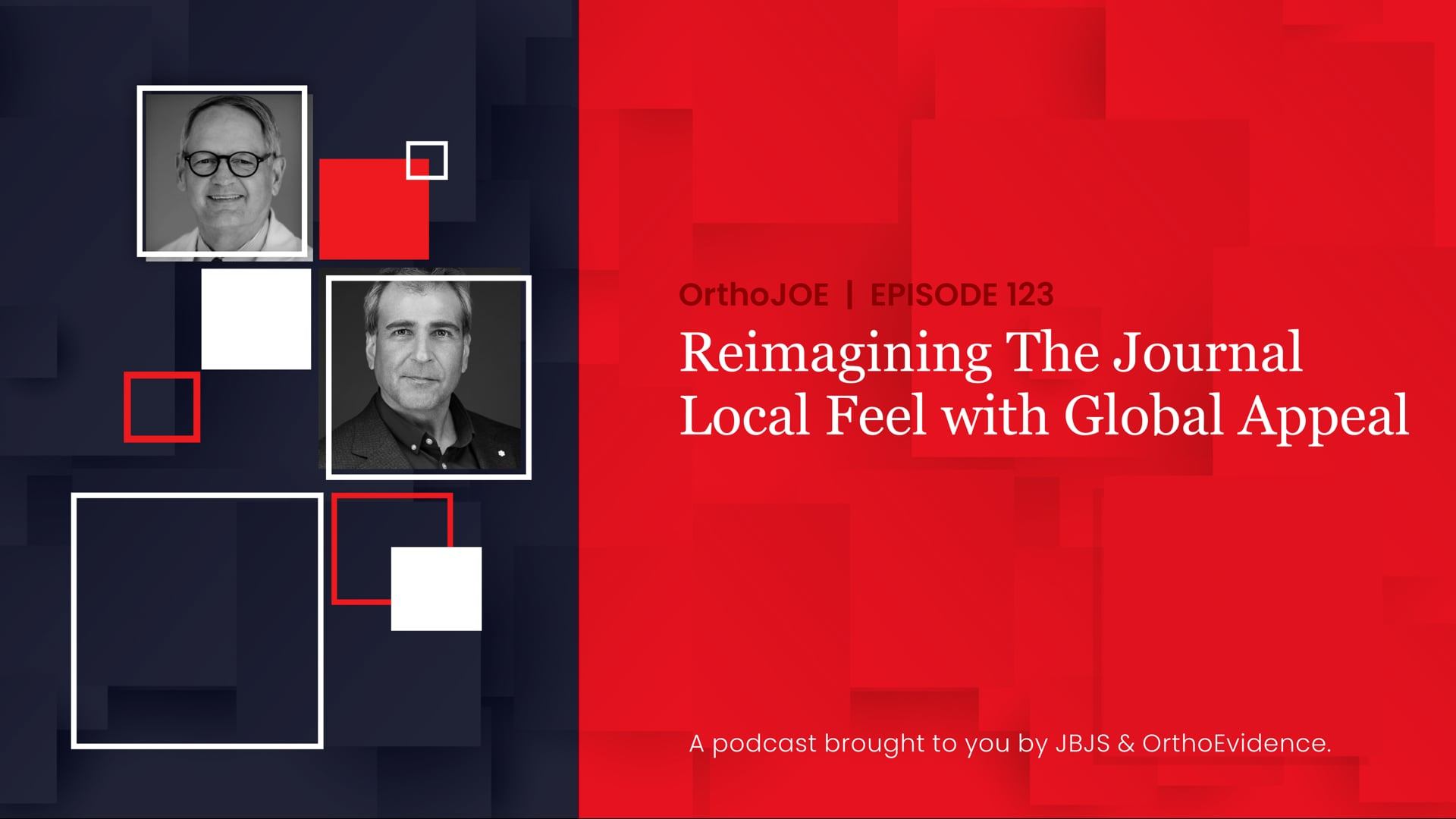
Reimagining The Journal Local Feel with Global Appeal.
このポッドキャストのロックを解除
4今月はさらに多くの無料記事にアクセスできます。
以下をクリックしてロックを解除し、このVideosをご覧ください。
今すぐロック解除
整形外科における最新のインパクトのあるランダム化比較試験とシステマティックレビューの批判的評価
Journal of Bone and Joint Surgeryとのコラボレーション、国際的に著名な外科医とのインタビュー、整形外科のニュースやトピックに関する座談会など、OrthoEvidenceポッドキャストコンテンツへのアクセス。
週2回発行されるエビデンスに基づくニュースレター、The Pulseの購読。
システマティック・レビュー、健康研究法、整形外科のホットな話題に関する記事など、オリジナル・コンテンツの独占配信
または、今すぐアップグレードして、$1.99/週からすべてのOrthoEvidenceコンテンツにアクセスしてください。
すでにアカウントをお持ちですか? ログイン
パートナー協会に所属していますか?
こちらをクリックすると、協会の会員特典として無料でアクセスできます!
Mohit Bhandari
FRCSC, PhD
Distinguished University Professor, Chair of Surgery, McMaster University
View More
In this OrthoJoe episode, the discussion pivots from clinical evidence to editorial strategy, as Mark Swiontkowski interviews Mo Bhandari about reimagining JBJS for a more complex, global, attention-constrained era. Bhandari outlines a structural shift from subspecialty deputy editors to a tiered model—executive editors focused on cross-cutting strategy, senior editors linking strategy to operations, and associate editors anchoring peer review—aimed at improving coordination and “stress testing” decisions through frequent, candid feedback loops. He frames globalization as essential to claiming leadership in musculoskeletal evidence: a journal cannot be “global” without globally representative editors, authors, and lived engagement, drawing parallels to multicenter trial building where trust is earned by showing up. The conversation also introduces a renewed approach to special issues, prioritizing themes every orthopaedic clinician should track (e.g., infection, AI) to sustain relevance across subspecialties, paired with visual/branding choices designed to compete in an “attention economy.”

免責事項
このページに記載されている内容は、情報提供のみを目的としたものであり、専門的な医療アドバイス、診断、治療の代わりとなるものではありません。治療が必要な場合は、必ず医師の診断を仰ぐか、最寄りの救急外来を受診してください。このページに記載されている内容に関して個人が表明した意見、信念、見解は、OrthoEvidenceの意見、信念、見解を反映するものではありません。
0の4 月間無料記事のロック解除



