






RESEARCH | Feb 22, 2023
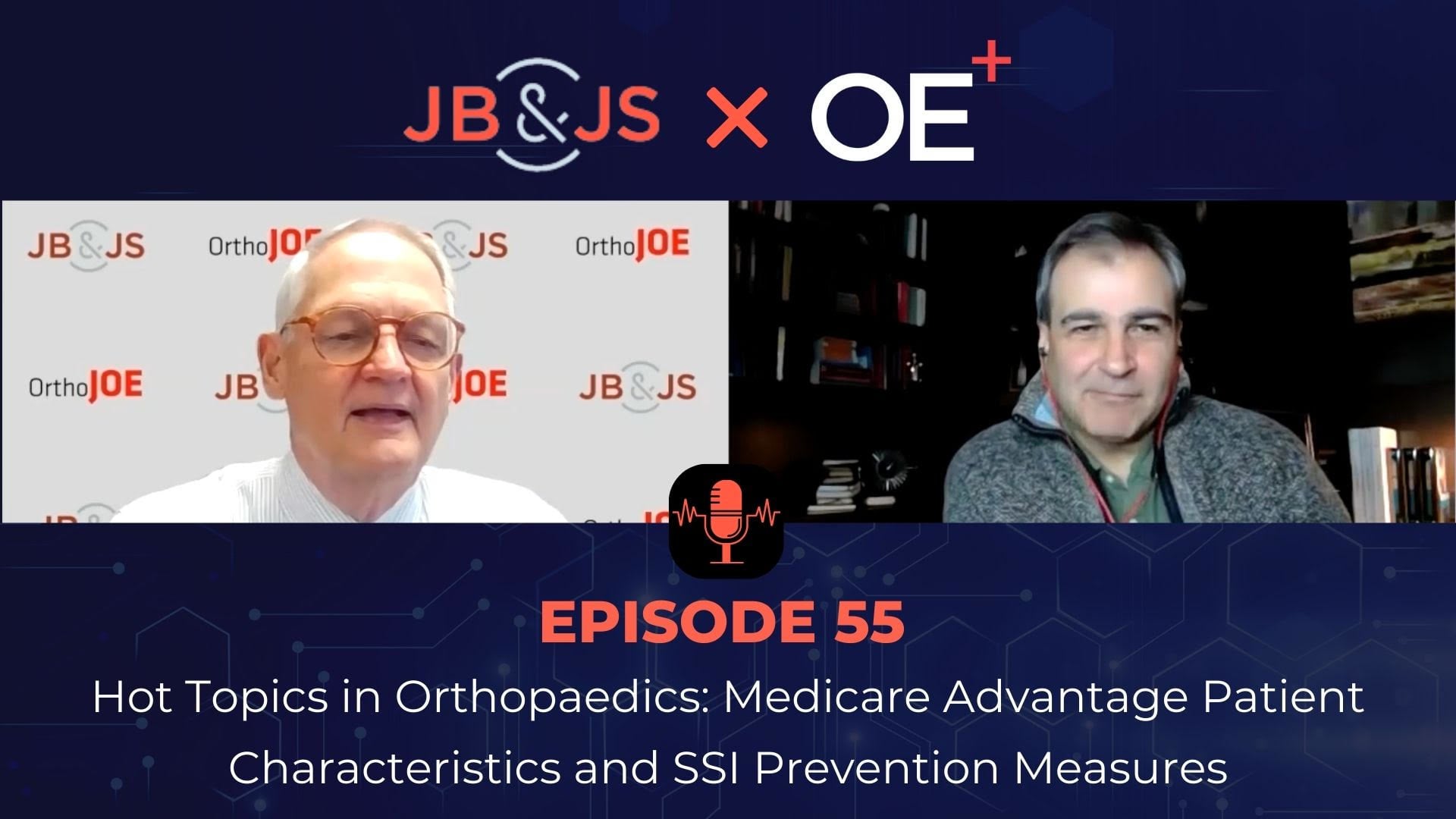
Hot Topics in Orthopaedics: Medicare Advantage Patient Characteristics and SSI Prevention Measures.
Unlock this Podcast
You have access to 4 more FREE articles this month.
Click below to unlock and view this Videos
Unlock Now
Critical appraisals of the latest, high-impact randomized controlled trials and systematic reviews in orthopaedics
Access to OrthoEvidence podcast content, including collaborations with the Journal of Bone and Joint Surgery, interviews with internationally recognized surgeons, and roundtable discussions on orthopaedic news and topics
Subscription to The Pulse, a twice-weekly evidence-based newsletter designed to help you make better clinical decisions
Exclusive access to original content articles, including in-house systematic reviews, and articles on health research methods and hot orthopaedic topics
Or upgrade today and gain access to all OrthoEvidencecontent for as little as $1.99 per week.
Already have an account? Log in
Are you affiliated with one of our partner associations?
Click here to gain complimentary access as part your association member benefits!

Marc Swiontkowski
MD, FAOA
Professor, University of Minnesota
View More
The episode blends end-of-year reflection with two evidence-focused discussions. It opens with a light exchange about maintaining personal vision statements, emphasizing how clarifying one’s guiding words can streamline decisions and academic commitments. The conversation then turns to an important JBJS manuscript highlighting major demographic and clinical differences between patients in Medicare Advantage versus traditional Medicare—differences that challenge assumptions underlying U.S. administrative database research. Finally, the hosts examine the CHEETAH trial, a large, pragmatic study showing that a simple glove and instrument change before abdominal wound closure in low-resource settings reduced surgical site infections by 13%. The discussion underscores how low-cost perioperative steps may yield meaningful global benefits and how orthopaedics can draw from these lessons while pursuing future collaborative trials.

DISCLAIMER
This content found on this page is for informational purposes only and is not intended to be a substitute for professional medical advice, diagnosis, or treatment. If you require medical treatment, always seek the advice of your physician or go to your nearest emergency department. The opinions, beliefs, and viewpoints expressed by the individuals on the content found on this page do not reflect the opinions, beliefs, and viewpoints of OrthoEvidence.
0 of 4 monthly FREE articles unlocked



