






RESEARCH | Oct 14, 2022
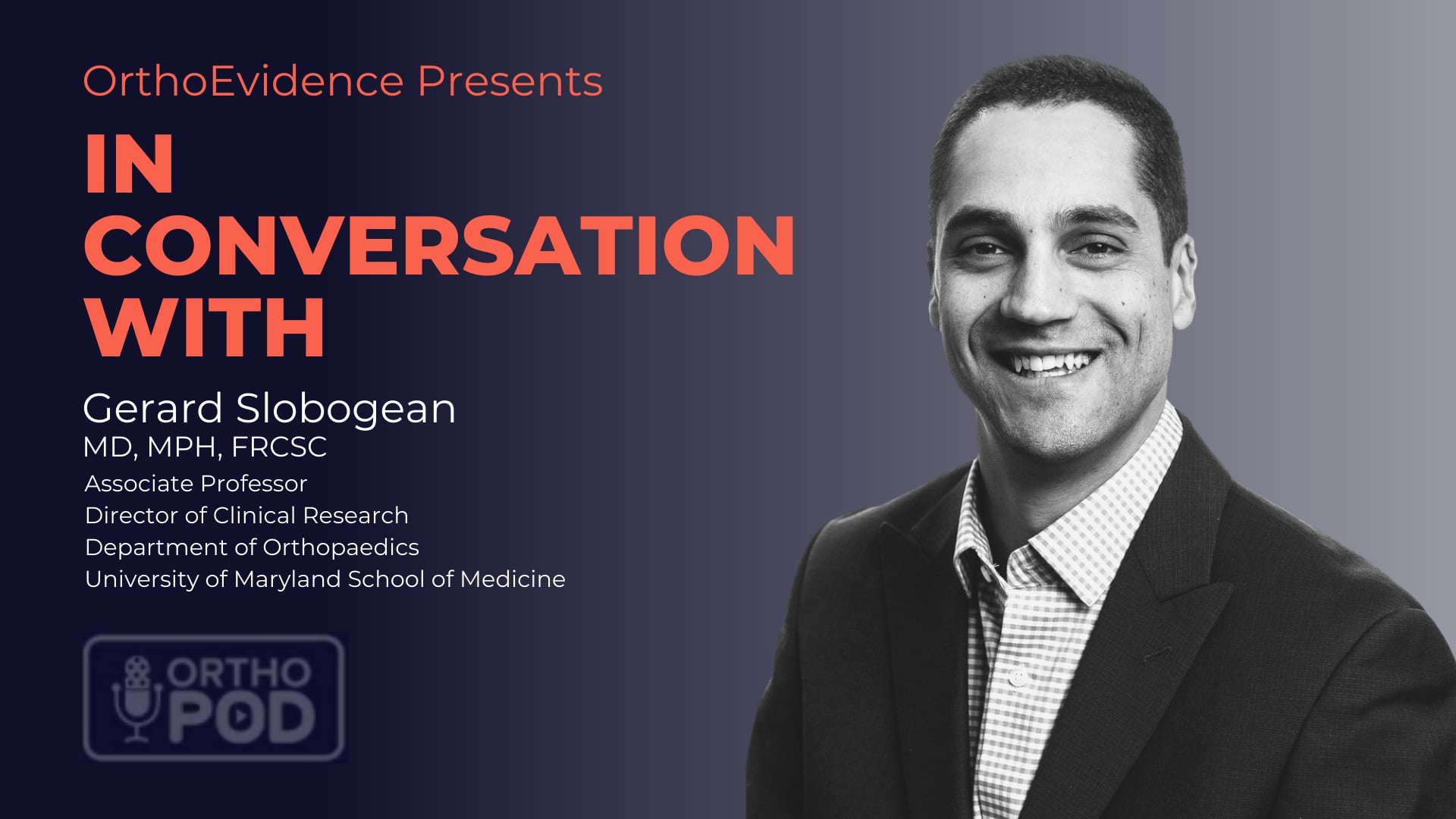
A-PREP Trial: Insights from the Investigators .
Unlock this Podcast
You have access to 4 more FREE articles this month.
Click below to unlock and view this Videos
Unlock Now
Critical appraisals of the latest, high-impact randomized controlled trials and systematic reviews in orthopaedics
Access to OrthoEvidence podcast content, including collaborations with the Journal of Bone and Joint Surgery, interviews with internationally recognized surgeons, and roundtable discussions on orthopaedic news and topics
Subscription to The Pulse, a twice-weekly evidence-based newsletter designed to help you make better clinical decisions
Exclusive access to original content articles, including in-house systematic reviews, and articles on health research methods and hot orthopaedic topics
Or upgrade today and gain access to all OrthoEvidencecontent for as little as $1.99 per week.
Already have an account? Log in
Are you affiliated with one of our partner associations?
Click here to gain complimentary access as part your association member benefits!

Gerard Slobogean
MD, MPH
Associate Professor and Director of Clinical Research, University of Maryland
View More
The episode traces the development and impact of the Aqueous Prep Trial, a large comparative-effectiveness study evaluating iodine versus chlorhexidine gluconate for skin preparation in open fractures. Built on insights from the FLOW trial, the study enrolled over 1,600 patients across 15 international centers and emphasized a patient-engaged design. Despite expectations from prior alcohol-based literature, results showed no difference between aqueous solutions, suggesting either option is appropriate when alcohol is avoided for open wounds. The conversation highlights how pragmatic practice patterns—such as widespread pre-wash alcohol use on intact skin—shaped outcomes and underscored the value of incremental advances in managing complex injuries. Beyond its findings, the trial marks a milestone for emerging surgeon-scientists and sets the stage for forthcoming alcohol-based comparisons within the broader PREP-IT program.

DISCLAIMER
This content found on this page is for informational purposes only and is not intended to be a substitute for professional medical advice, diagnosis, or treatment. If you require medical treatment, always seek the advice of your physician or go to your nearest emergency department. The opinions, beliefs, and viewpoints expressed by the individuals on the content found on this page do not reflect the opinions, beliefs, and viewpoints of OrthoEvidence.
0 of 4 monthly FREE articles unlocked



