






Share


Download


Cite


+ Favorites
Share
Download
Cite
+ Favorites
RESEARCH
Vaccines for COVID-19: Pfizer, Moderna, and AstraZeneca Race to Finish Line .
OrthoEvidence Journal (OE Journal) - OE Original
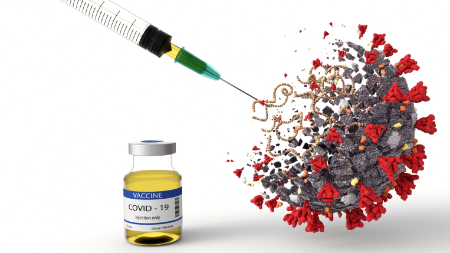
OE Journal. 2020;8(22):2Positive early results from Pfizer and Moderna’s mRNA vaccines brought global optimism, with both reporting protection rates above 94% in large phase III trials and no major safety concerns. These vaccines work by delivering mRNA encoding the SARS-CoV-2 spike protein, offering a fast, non-infectious platform but one that has never before reached widespread human use. While their point estimates far exceed WHO and FDA efficacy thresholds, key details—such as confidence intervals, durability of protection, and impact on asymptomatic infection—remain unknown. Logistical challenges also loom, particularly the ultra-cold storage required for Pfizer’s product. As these vaccines move toward authorization, ethical questions arise about how future trials can fairly compare new candidates to placebo when effective vaccines already exist, creating potential barriers to ongoing vaccine development.
Already have an account? Log in
Part of an association? Click here, you may already have full access!
Unlock the Full original article
You have access to 4 more FREE articles this month.
Click below to unlock and view this original article
Unlock Now
Critical appraisals of the latest, high-impact randomized controlled trials and systematic reviews in orthopaedics
Access to OrthoEvidence podcast content, including collaborations with the Journal of Bone and Joint Surgery, interviews with internationally recognized surgeons, and roundtable discussions on orthopaedic news and topics
Subscription to The Pulse, a twice-weekly evidence-based newsletter designed to help you make better clinical decisions
Exclusive access to original content articles, including in-house systematic reviews, and articles on health research methods and hot orthopaedic topics
Or upgrade today and gain access to all OrthoEvidencecontent for as little as $1.99 per week.
Already have an account? Log in
Are you affiliated with one of our partner associations?
Click here to gain complimentary access as part your association member benefits!



0 of 4 monthly FREE articles unlocked



