






Share


Download


Cite


+ Favorites
Share
Download
Cite
+ Favorites
INNOVATION
Robotic Surgery in Arthroplasty - A new frontier ?
OrthoEvidence Journal (OE Journal) - OE Original
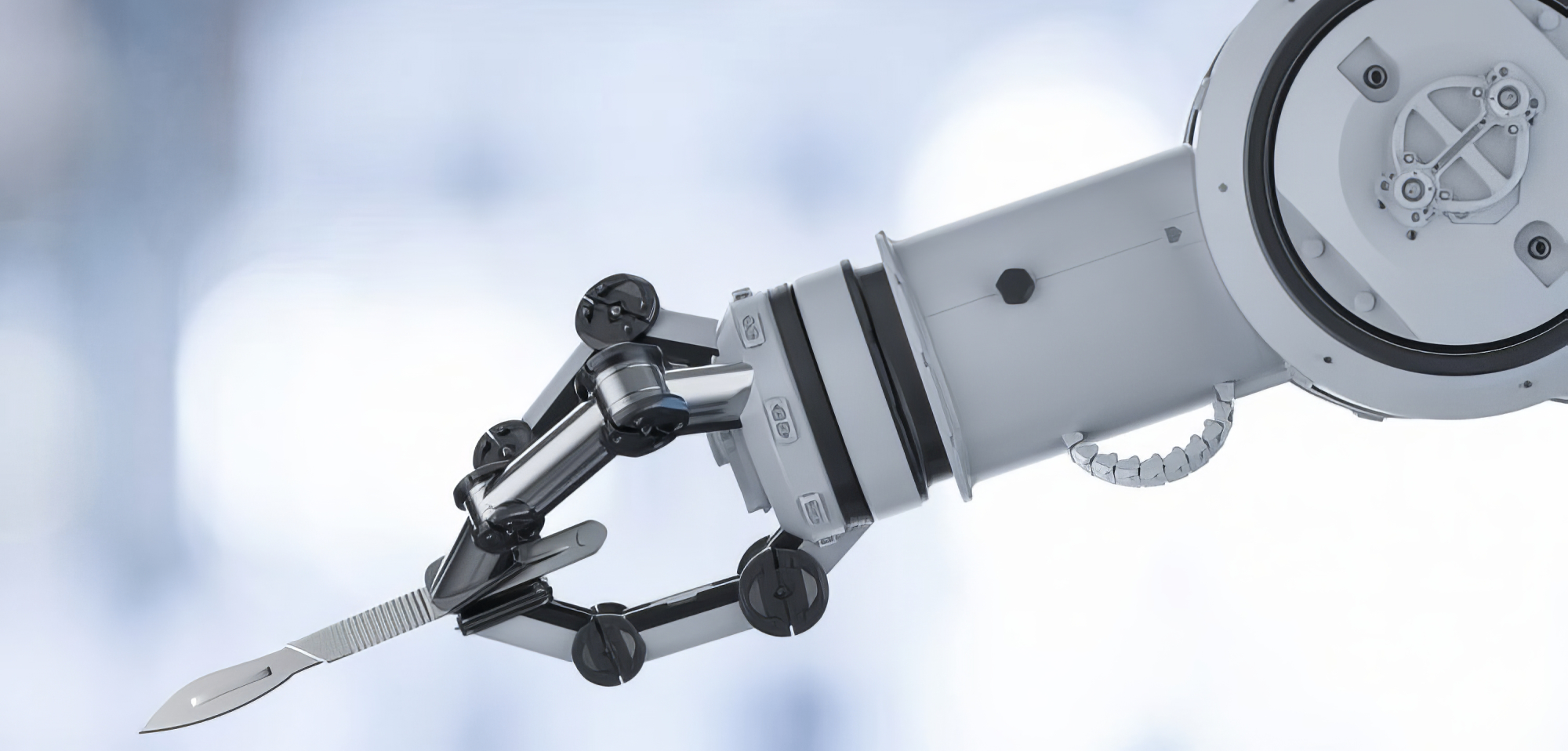
OE Journal. 2024;12(2):1Robotic-assisted arthroplasty represents one of the most exciting frontiers in orthopaedic innovation, promising greater surgical precision and potentially longer implant survival. By enhancing alignment and accuracy, robotics is theorized to improve patient outcomes, yet evidence demonstrating superiority in patient-reported function remains limited. An analysis of 18 RCTs (3,122 patients) highlights THINK Surgical as the leading research contributor, with most studies originating from the UK and Asia. Meta-analysis of robotic versus conventional total knee arthroplasty shows modest short-term functional gains, though clinical significance is uncertain. Importantly, cost-effectiveness data suggest robotics may be viable in high-volume centres by reducing revision and post-acute care costs. With only 20 ongoing registered trials—most in the U.S.—this remains an underserved but rapidly evolving research area, where stronger evidence could determine whether robotics becomes the standard in arthroplasty.
Already have an account? Log in
Part of an association? Click here, you may already have full access!
Unlock the Full original article
You have access to 4 more FREE articles this month.
Click below to unlock and view this original article
Unlock Now
Critical appraisals of the latest, high-impact randomized controlled trials and systematic reviews in orthopaedics
Access to OrthoEvidence podcast content, including collaborations with the Journal of Bone and Joint Surgery, interviews with internationally recognized surgeons, and roundtable discussions on orthopaedic news and topics
Subscription to The Pulse, a twice-weekly evidence-based newsletter designed to help you make better clinical decisions
Exclusive access to original content articles, including in-house systematic reviews, and articles on health research methods and hot orthopaedic topics
Or upgrade today and gain access to all OrthoEvidencecontent for as little as $1.99 per week.
Already have an account? Log in
Are you affiliated with one of our partner associations?
Click here to gain complimentary access as part your association member benefits!


0 of 4 monthly FREE articles unlocked



