






Share


Download


Cite


+ Favorites
Share
Download
Cite
+ Favorites
EDUCATION
2 Simple Tips to Detect Publication Bias .
OrthoEvidence Journal (OE Journal) - OE Original
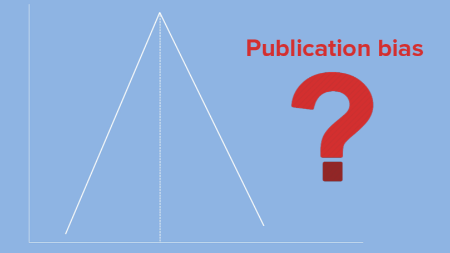
OE Journal. 2019;7(12):1Publication bias occurs when studies with unfavourable or non-significant results never make it to publication, creating a misleading picture in a meta-analysis. A quick way to assess this risk is through a funnel plot, which displays each study’s effect estimate against its precision. When results form a balanced, inverted funnel, bias is less concerning. When the plot shows gaps—often missing small, imprecise studies with negative findings—an asymmetric shape emerges, signalling potential publication bias and an overestimation of treatment benefits. Although useful, funnel plots require a sufficient number of studies and can be influenced by factors other than bias, making interpretation cautious rather than definitive.
Already have an account? Log in
Part of an association? Click here, you may already have full access!
Unlock the Full original article
You have access to 4 more FREE articles this month.
Click below to unlock and view this original article
Unlock Now
Critical appraisals of the latest, high-impact randomized controlled trials and systematic reviews in orthopaedics
Access to OrthoEvidence podcast content, including collaborations with the Journal of Bone and Joint Surgery, interviews with internationally recognized surgeons, and roundtable discussions on orthopaedic news and topics
Subscription to The Pulse, a twice-weekly evidence-based newsletter designed to help you make better clinical decisions
Exclusive access to original content articles, including in-house systematic reviews, and articles on health research methods and hot orthopaedic topics
Or upgrade today and gain access to all OrthoEvidencecontent for as little as $1.99 per week.
Already have an account? Log in
Are you affiliated with one of our partner associations?
Click here to gain complimentary access as part your association member benefits!


0 of 4 monthly FREE articles unlocked



