OE JOURNAL
OE Journal
Vol. 14 | Iss. 4 | February 2026 - 15 Studies
Questions This Issue Explores
Does cast versus removable boot differ for early mobilization after ankle fracture fixation in outcomes and patient experience?
How does manipulation under anaesthesia compare with arthroscopic capsular release in primary frozen shoulder?
Does genicular nerve block versus genicular plus IPACK block differ for analgesia and recovery after total knee arthroplasty?
What is the effect of esketamine on postoperative pain relief and depressive status in patients with traumatic fractures?
Does hop stabilization training affect functional movement and quality of life in female athletes with chronic ankle instability?
ORIGINAL ANALYSIS
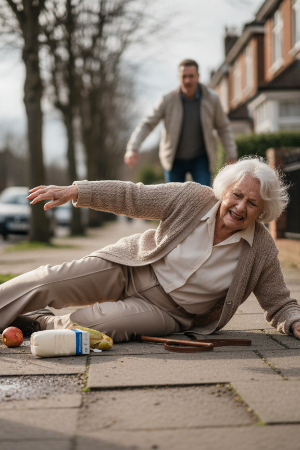
The Silent Epidemic: Rising Senior Fall Rates and What Clinicians Must Act On Now
Falls remain the leading cause of injury-related death among adults aged sixty-five and older, with risk rising sharply with advancing age. Mortality rates vary substantially by sex, race, and geography, reflecting broader socioeconomic and healthcare disparities. White older adults consistently show higher fatal fall rates, while rates differ across other racial groups and states. Ankle and foot injuries are common and can both result from and contribute to falls. Contributing factors include medication effects, balance deficits, muscle weakness, vision changes, chronic disease, and environmental hazards. Prevention strategies emphasize medication review, strength and balance training, physiotherapy, and appropriate footwear to reduce injury risk and long-term burden.
Read OriginalEDITOR'S PICK 
Genicular Nerve Block vs. its Combination With IPACK Block for Analgesia and Recovery After TKA
63 patients undergoing elective total knee arthroplasty (TKA) were randomized and analyzed into three groups: control (standard analgesia), genicular nerve block (GNB), and GNB combined with Infiltration between Popliteal Artery and PosterIor Capsule of Knee (iPACK) block. The primary outcome was VAS pain score at 8 hours with mobility. Secondary outcomes included VAS scores at 2, 4, 6, 12, 18, and 24 hours at rest and with motion, time to first rescue analgesia, total 24-hour morphine consumption, quadriceps strength, knee range of motion (ROM), 2-minute walk test, Timed Up and Go (TUG) test, and patient satisfaction. Overall, the results of the study revealed that the combination group demonstrated significantly lower VAS scores at nearly all measured time points except at 12 hours compared with the GNB group, and consistently lower scores compared with control. Time to first rescue analgesia was longest in the combination group, and 24-hour morphine consumption was lowest in the combination group. The combination group also showed superior functional recovery and satisfaction. These findings suggest that adding iPACK to GNB provides optimal early analgesia and enhances immediate postoperative recovery.
View ACE Report