










NEWS | PRACTICE
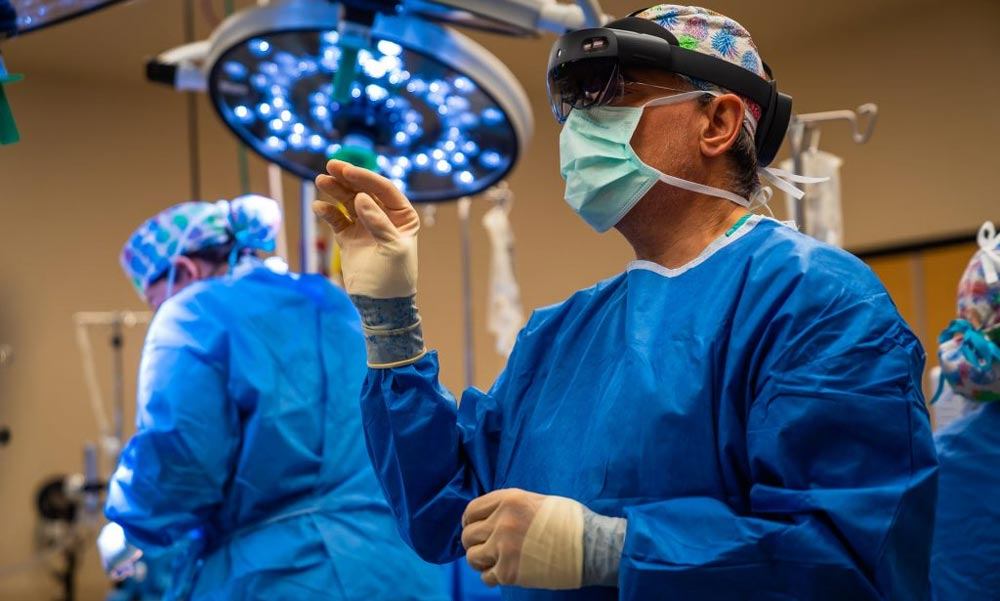
Surgical Theater Executes First Successful SyncAR® Spine Surgery at Stanford .
Health-care disparities in the United States have been documented across specialties, often linked to race, ethnicity, insurance status, and access to care. A key question is whether such disparities persist in managed care systems designed to provide equal access.
A recent study by Guppy et al., published September 17, 2025, in The Journal, investigated this issue by analyzing outcomes from the Kaiser Permanente Spine Registry. The retrospective cohort included 40,258 patients ≥18 years who underwent spinal fusion between 2009 and 2023. Race/ethnicity (White, Black, Hispanic, Asian) was the primary predictor, and outcomes assessed included reoperation, 90-day emergency department (ED) visits, readmissions, and mortality.
Findings showed Black, Hispanic, and Asian patients had lower risks of reoperation compared with White patients (hazard ratios 0.90, 0.78, and 0.62, respectively). Yet disparities emerged in other areas. Black (OR 1.25) and Hispanic patients (OR 1.15) were more likely than White patients to require a 90-day ED visit, while Asian patients were less likely (OR 0.82). Black patients also had a higher likelihood of 90-day readmission (OR 1.18); no significant difference was seen for Hispanic patients, while Asian patients had a lower risk (OR 0.84). Mortality rates at 90 days and 1 year showed no significant racial or ethnic differences.
These results suggest that, even with equal access in managed care, disparities in spinal fusion outcomes persist. Potential explanations include systemic distrust of health care, lower use of preventive services, and unfamiliarity with managed care structures. The study emphasizes that managed care may narrow some gaps but does not eliminate inequities.
Ultimately, reducing disparities requires ongoing investigation and targeted solutions. Only through careful study and acknowledgment of these differences can health care systems develop effective strategies to improve outcomes for all patients.
Read the full News article from OrthoFeed
Read Article
免責事項
このページに記載されている内容は、情報提供のみを目的としたものであり、専門的な医療アドバイス、診断、治療の代わりとなるものではありません。治療が必要な場合は、必ず医師の診断を仰ぐか、最寄りの救急外来を受診してください。このページに記載されている内容に関して個人が表明した意見、信念、見解は、OrthoEvidenceの意見、信念、見解を反映するものではありません。



