










OSTEOARTHRITIS
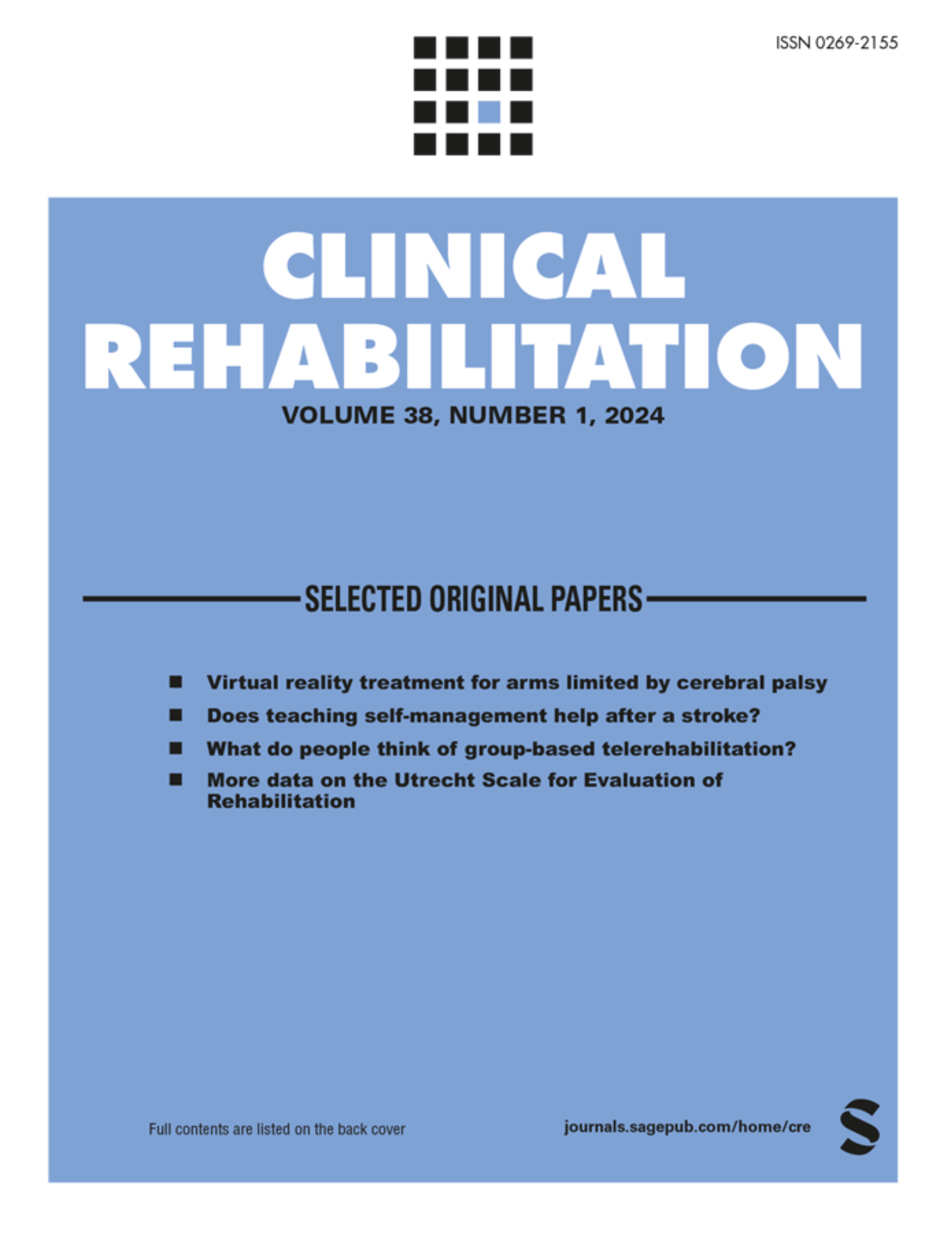
Short-term effects of neuromuscular electrical stimulation and ultrasound therapies on muscle architecture and functional capacity in knee osteoarthritis: a randomized study
OrthoEvidence Journal (OE Journal) - ACE Report
OE Journal. 2019;7(12):18 Clin Rehabil. 2019 Mar;33(3):418-427.60 patients with knee osteoarthritis were randomized to receive 3 weeks of either ultrasound (US) therapy or neuromuscular electrical stimulation (NMES). Outcomes of interest included pain scores at rest and during activity, the 15 meter walk test, the Western Ontario and McMaster Universities Osteoarthritis Index (WOMAC) pain, stiffness and physical function scores, and muscular architecture of the vastus lateralis and rectus femoris muscles (pennation angle, fascicle length, muscle thickness). Follow up was performed upon the completion of the treatment regimen. Results displayed significantly favourable post-treatment VAS pain scores, both at rest and during activity, and significantly favourable WOMAC pain, stiffness and physical function scores in favour of the US group compared to the NMES group. In contrast, fascicle length and muscle thickness in both the left and right vastus lateralis and rectus femoris muscles were significantly in favour of the NMES group compared to the US group. There were no significant improvements or differences in pennation angle between the two groups.
Vollständigen ACE-Bericht freischalten
Sie haben Zugang zu 4 weiteren KOSTENLOSEN Artikeln in diesem Monat.
Klicken Sie unten, um diese ACE Reports freizuschalten und anzusehen
Jetzt freischalten
Kritische Beurteilungen der neuesten, hochwirksamen randomisierten kontrollierten Studien und systematischen Übersichten in der Orthopädie
Zugang zu OrthoEvidence-Podcast-Inhalten, einschließlich Kooperationen mit dem Journal of Bone and Joint Surgery, Interviews mit international anerkannten Chirurgen und Diskussionsrunden zu orthopädischen Neuigkeiten und Themen
Abonnement von The Pulse, einem zweimal wöchentlich erscheinenden evidenzbasierten Newsletter, der Ihnen helfen soll, bessere klinische Entscheidungen zu treffen
Exklusiver Zugang zu Originalartikeln, einschließlich eigener systematischer Übersichten, sowie zu Artikeln über Methoden der Gesundheitsforschung und aktuelle orthopädische Themen
Oder upgraden Sie noch heute und erhalten Sie Zugang zu allen OrthoEvidence-Inhalten für nur $1,99 pro Woche.
Sie haben bereits ein Konto? Einloggen
Gehören Sie zu einem unserer Partnerverbände?
Klicken Sie hier, um im Rahmen Ihrer Verbandsmitgliedschaft kostenlosen Zugang zu erhalten!



0 von 4 monatliche KOSTENLOSE Artikel freigeschaltet



