










ARTHROPLASTY
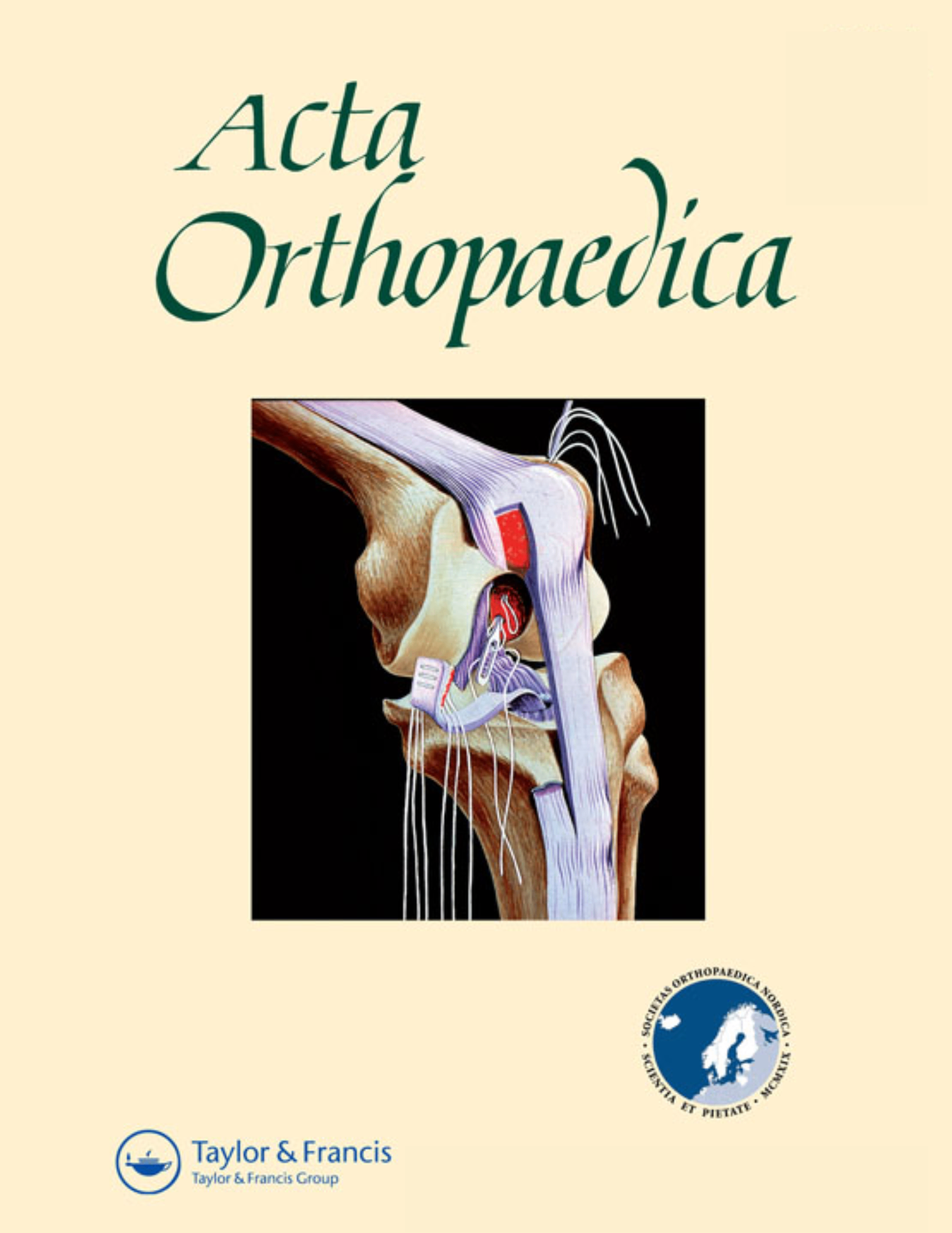
Tourniquet use in total knee replacement does not improve fixation, but appears to reduce final range of motion
 This report has been verified
by one or more authors of the
original publication.
This report has been verified
by one or more authors of the
original publication.
 تم تحديد هذه الدراسة على أنها ذات تأثير كبير محتمل.
يُقدّر مقياس التأثير العالي الذي يعتمد على الذكاء الاصطناعي من OE التأثير المحتمل لورقة بحثية ما من خلال دمج الإشارات من كل من المجلة التي نُشرت فيها والمحتوى العلمي للمقالة نفسها.
تم تطوير نموذج OE High Impact باستخدام أحدث تقنيات معالجة اللغة الطبيعية، ويتنبأ نموذج OE High Impact بدقة أكبر بأداء الاقتباس المستقبلي للدراسة أكثر من معامل تأثير المجلة وحده.
وهذا يتيح التعرف المبكر على الأبحاث ذات المغزى السريري ويساعد القراء على التركيز على المقالات التي من المرجح أن تشكل الممارسة المستقبلية.
تم تحديد هذه الدراسة على أنها ذات تأثير كبير محتمل.
يُقدّر مقياس التأثير العالي الذي يعتمد على الذكاء الاصطناعي من OE التأثير المحتمل لورقة بحثية ما من خلال دمج الإشارات من كل من المجلة التي نُشرت فيها والمحتوى العلمي للمقالة نفسها.
تم تطوير نموذج OE High Impact باستخدام أحدث تقنيات معالجة اللغة الطبيعية، ويتنبأ نموذج OE High Impact بدقة أكبر بأداء الاقتباس المستقبلي للدراسة أكثر من معامل تأثير المجلة وحده.
وهذا يتيح التعرف المبكر على الأبحاث ذات المغزى السريري ويساعد القراء على التركيز على المقالات التي من المرجح أن تشكل الممارسة المستقبلية.
OrthoEvidence Journal (OE Journal) - ACE Report
OE Journal. 2013;1(11):53 Acta Orthop. 2012 Oct;83(5):499-503. doi: 10.3109/17453674.2012.727078. Epub 2012 Sep 14.50 patients undergoing total knee arthroplasty were included in this trial to determine the effect of tourniquet use on implant migration. Patients were randomized to undergo cemented total knee arthroplasty with or without the use of a tourniquet. The results of this study indicate that the use of a tourniquet did not reduce implant migration, caused more postoperative pain, and reduced range of motion.
Was the allocation sequence adequately generated?
Was allocation adequately concealed?
Blinding Treatment Providers: Was knowledge of the allocated interventions adequately prevented?
Blinding Outcome Assessors: Was knowledge of the allocated interventions adequately prevented?
Blinding Patients: Was knowledge of the allocated interventions adequately prevented?
Was loss to follow-up (missing outcome data) infrequent?
Are reports of the study free of suggestion of selective outcome reporting?
Were outcomes objective, patient-important and assessed in a manner to limit bias (ie. duplicate assessors, Independent assessors)?
Was the sample size sufficiently large to assure a balance of prognosis and sufficiently large number of outcome events?
Was investigator expertise/experience with both treatment and control techniques likely the same (ie.were criteria for surgeon participation/expertise provided)?
نعم = 1
غير مؤكد = 0.5
غير ذي صلة = 0
لا = 0
يقيّم تقييم معايير الإبلاغ الشفافية التي يبلغ بها المؤلفون عن الخصائص المنهجية والتجريبية للتجربة في المنشور. ينقسم التقييم إلى خمس فئات معروضة أدناه.
3/4
Aleatorización
3/4
Medidas de resultado
3/4
Inclusión/Exclusión
4/4
Descripción de la terapia
4/4
Estadística
Detsky AS, Naylor CD, O'Rourke K, McGeer AJ, L'Abbé KA. J Clin Epidemiol. 1992;45:255-65
مؤشر الهشاشة هو أداة تساعد في تفسير النتائج المهمة، وتوفر مقياسًا لقوة النتيجة. ويمثل مؤشر الهشاشة عدد الأحداث المتتالية التي يجب إضافتها إلى نتيجة ثنائية التفرع لجعل النتيجة غير مهمة. يمثل الرقم الصغير نتيجة أضعف ويمثل الرقم الكبير نتيجة أقوى.
لماذا كانت هناك حاجة لهذه الدراسة الآن؟
Tourniquets are routinely used during total knee replacement to reduce bleeding which might impair fixation of the cemented prosthesis. However, tourniquet use is associated with re-perfusion trauma, oxidative stress, deep vein thrombosis risk, and injury due to pressure on skin, muscles, nerves, and arteriosclerotic vessels. Tourniquets may also reduce the surgical field, which may lead to a number of other complications and jeopardize the sterility of the postoperative dressing. This study aimed to determine the effects of tourniquet use on patients undergoing cemented total knee arthroplasty.
ما هو سؤال البحث الرئيسي؟
Does tourniquet use reduce postoperative migration and improve clinical outcomes in patients, 2 years after undergoing cemented total knee arthroplasty?
ما هي النتائج المهمة؟
- The difference in migration, between the patients who received a tourniquet and the patients who did not, was not significant: 0.01 mm (95% CI: -0.13 to 0.15).
- The patients who received a tourniquet experienced significantly more pain during the first 4 postoperative days than the patients who did not receive and tourniquet (49 mm versus 41 mm; p=0.01).
- Tourniquet use significantly reduced total overt bleeding when compared to no tourniquet use (317 mL versus 615 mL; p=0.002), but did not significantly reduce the total bleeding estimated by hemoglobin dilution (1184 mL versus 1236 mL).
- There was no significant difference in morphine consumption between the patients who received a tourniquet and the patients who did not receive a tourniquet.
- The mean range of motion at 2 years for the patients in the tourniquet group was 113 degrees, whereas the mean range of motion for the patients in the control group was 124 degrees (p=0.001).
ما الذي يجب أن أتذكره أكثر؟
Tourniquet use did not significantly alter migration of the cemented total knee arthroplasty and may cause significantly more postoperative pain and reduce range of motion when compared to no tourniquet use.
كيف سيؤثر ذلك على رعاية مرضاي؟
It is still unclear if tourniquet use during total knee arthroplasty is efficacious. Although its use can reduce operative blood loss, it may effect implant fixation/migration, postoperative pain and range of motion. Further randomized trials are needed to determine if tourniquet use has any effect on implant fixation and migration, and if any differences detected have a clinically significant impact on long-term outcomes.

تنويه
هذا المحتوى الموجود في هذه الصفحة هو لأغراض إعلامية فقط وليس الغرض منه أن يكون بديلاً عن المشورة الطبية المتخصصة أو التشخيص أو العلاج. إذا كنت بحاجة إلى علاج طبي، اطلب دائمًا مشورة طبيبك أو اذهب إلى أقرب قسم طوارئ إليك. الآراء والمعتقدات ووجهات النظر التي يعبر عنها الأفراد في المحتوى الموجود في هذه الصفحة لا تعكس آراء ومعتقدات ووجهات نظر أورثوإيفيدنس.
0 من 4 مقالات مجانية شهرية غير مقفلة



