










OSTEOARTHRITIS
The Effectiveness of Occupational Therapy Supervised Usage of Adaptive Devices on Functional Outcomes and Independence after Total Hip Replacement in Iranian Elderly: A Randomized Controlled Trial
 This report has been verified
by one or more authors of the
original publication.
This report has been verified
by one or more authors of the
original publication.
OrthoEvidence Journal (OE Journal) - ACE Report
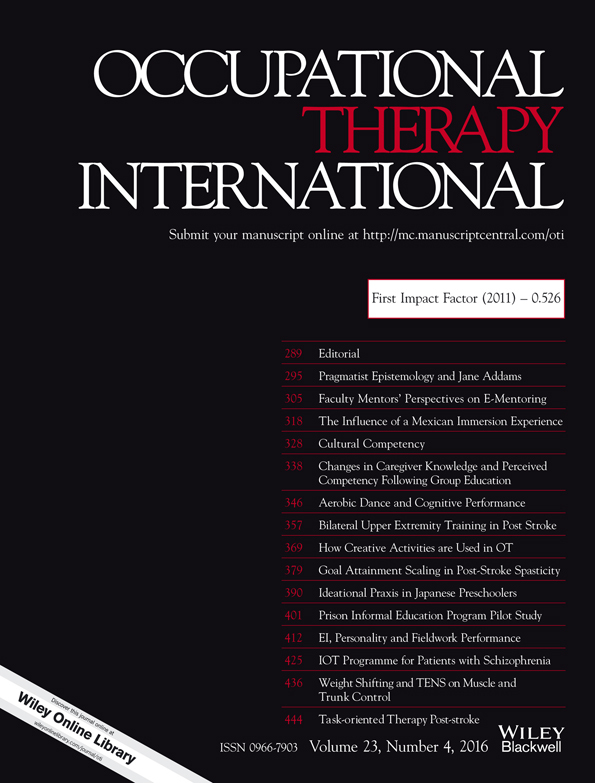
OE Journal. 2016;4(24):17 Occup Ther Int. 2016 Jun;23(2):143-5340 patients with hip osteoarthritis undergoing total hip replacement were included in this trial to determine the effectiveness of occupation therapy supervised usage of adaptive devices. Patients were randomized to an experimental group that used adaptive devices in an organized and supervised manner or to a control group that used devices without supervision. Devices included abduction pillows, elevated toilet seats, reachers, and cushion seats. The purpose of this study was to determine whether supervision from an occupational therapist improved pain and disability outcomes, as well as hip muscle strength while using these adaptive devices. Outcomes were assessed up to 6 weeks postoperatively. Findings indicated significantly more favourable outcomes with supervised use of adaptive devices compared to unsupervised use in all pain, disability, independence, and hip muscle strength variables.
افتح تقرير ACE الكامل
لديك إمكانية الوصول إلى المزيد من المقالات المجانية هذا الشهر، انقر أدناه لفتح هذا ACE Reports
افتح الآنتقييمات نقدية لأحدث التجارب المعشاة ذات الشواهد عالية التأثير والمراجعات المنهجية في جراحة العظام
الوصول إلى محتوى المدونة الصوتية OrthoEvidence، بما في ذلك التعاون مع مجلة جراحة العظام والمفاصل، ومقابلات مع جراحين معترف بهم دوليًا، ومناقشات المائدة المستديرة حول أخبار وموضوعات جراحة العظام
الاشتراك في النشرة الإخبارية The Pulse، وهي نشرة إخبارية مبنية على الأدلة مرتين أسبوعيًا مصممة لمساعدتك في اتخاذ قرارات سريرية أفضل
إمكانية الوصول الحصري إلى مقالات المحتوى الأصلي، بما في ذلك المراجعات المنهجية الداخلية، ومقالات عن طرق البحث الصحي وموضوعات جراحة العظام الساخنة
أو قم بالترقية اليوم واحصل على إمكانية الوصول إلى جميع محتويات OrthoEvidence مقابل 1.99 دولارًا أمريكيًا في الأسبوع.
هل لديك حساب بالفعل؟ تسجيل الدخول
هل أنت منتسب إلى إحدى الجمعيات الشريكة لنا؟
انقر هنا لتحصل على وصول مجاني كجزء من مزايا عضوية جمعيتك!



0 من 4 مقالات مجانية شهرية غير مقفلة



