










ARTHROPLASTY
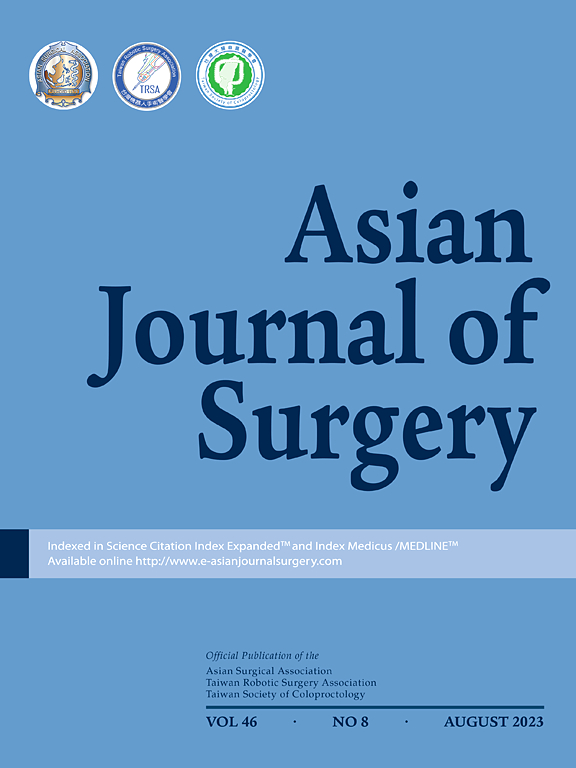
Comparison of total hip arthroplasty with minimally invasive SuperPath approach vs. conventional posterolateral approach in elderly patients: A one-year follow-up randomized controlled research
OrthoEvidence Journal (OE Journal) - ACE Report
OE Journal. 2021;9(7):7 Asian J Surg. 2021 Mar;44(3): 531-536.Resumen del estudio
Ninety-six elderly patients (≥65 years old) diagnosed with either a femoral neck fracture or ischemic necrosis of femoral head who were scheduled for a total hip arthroplasty were randomized to receive either the supercapsular percutaneously-assisted total hip (SuperPath) approach (n=49) or the conventional posterolateral approach (n=47). Outcomes of interest included pain evaluated using the Visual Analogue Scale (VAS), hip function using the Harris Hip Score (HHS), C-reactive protein (CRP) levels, erythrocyte sedimentation rate (ESR), creatine phosphokinase (CK) levels, peri-operative blood loss, incision length, operative time, hospital length of stay, step length, stride speed and frequency. VAS and HHS scores were measured at 7 days, 1 month, 3 months, 6 months, and 1-year post-surgery. CRP, ESR, and CK levels were measured at 3 days post-surgery. Finally, step length, stride frequency, and stride speed were measured at 1 and 3 months post-surgery. Results demonstrated that incision length, hospital length of stay, mean blood loss were all statistically significantly reduced in the SuperPath approach group vs. the conventional group (p<0.001 for all); yet, the SuperPath approach took statistically significantly longer for operative time compared to the conventional approach (p<0.001). Furthermore, VAS and HHS scores were statistically significantly improved in the SuperPath group at 7 days and 1 month post-surgery, as well as 3 months post-surgery for HHS scores (p<0.05 for all). In addition, CRP and CK levels were statistically significantly lower in the SuperPath approach group compared to the conventional group at 3-days post-surgery (p<0.001 for both); ESR was similar between the two groups (p=0.515). Finally, step length and stride speed were statistically significantly improved in the SuperPath group at 7 days and 1 month post-intervention, but this did not extend to 3 months nor was this difference observed for stride frequency at any of the timepoints (p>0.05). Two cases of joint dislocation were observed in the conventional group while none were observed for the SuperPath group. The angles of abduction were also statistically significantly lower in the SuperPath group (p<0.05), but no statistical significant difference was observed for the angle of anteversion between the 2 groups (p>0.05).
Desbloquear el informe ACE completo
Tiene acceso a 4 más artículos GRATUITOS este mes.
Haga clic a continuación para desbloquear y ver este ACE Reports
Desbloquear ahora
Evaluaciones críticas de los últimos ensayos controlados aleatorizados de gran impacto y revisiones sistemáticas en ortopedia
Acceso al contenido del podcast OrthoEvidence, que incluye colaboraciones con el Journal of Bone and Joint Surgery, entrevistas con cirujanos reconocidos internacionalmente y mesas redondas sobre noticias y temas ortopédicos
Suscripción a The Pulse, un boletín quincenal basado en la evidencia y diseñado para ayudarle a tomar mejores decisiones clínicas
Acceso exclusivo a artículos de contenido original, incluidas revisiones sistemáticas propias, y artículos sobre métodos de investigación sanitaria y temas ortopédicos de actualidad
O actualícese hoy mismo y obtenga acceso a todo el contenido de OrthoEvidencepor tan sólo 1,99 $ a la semana.
¿Ya tiene una cuenta? Conectarse
¿Está afiliado a una de nuestras asociaciones colaboradoras?
¡Haga clic aquí para obtener acceso gratuito como parte de los beneficios de miembro de su asociación!


Suscríbase a "El Pulso"
Ortopedia basada en la evidencia directamente a su bandeja de entrada. SUSCRIBIRSE
0 de 4 artículos mensuales GRATIS desbloqueados



