










PHYSICAL THERAPY & REHAB
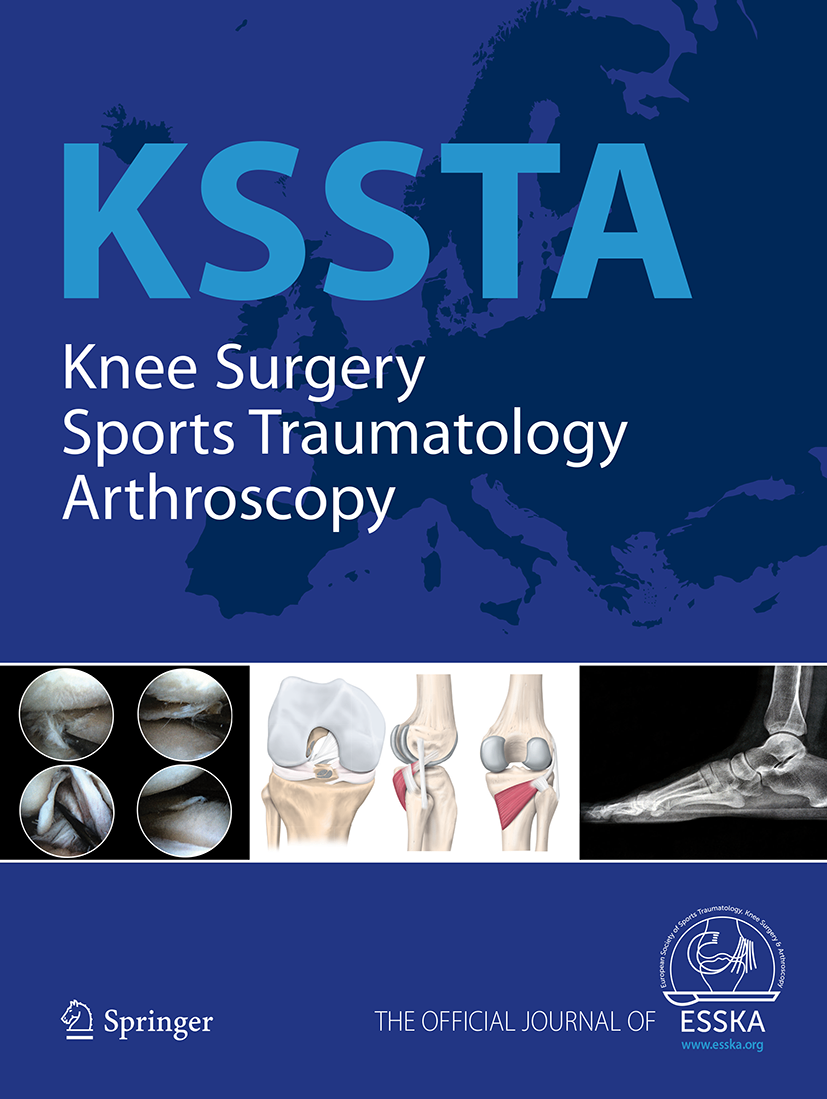
A randomized controlled trial assessing the effects of preoperative strengthening plus balance training on balance and functional outcome up to 1 year following total knee replacement
OrthoEvidence Journal (OE Journal) - ACE Report
OE Journal. 2021;9(7):20 Knee Surg Sports Traumatol Arthrosc. 2021 Mar;29(3): 838-848.Riassunto dello studio
Eighty-two elderly patients on the waiting list to undergo a primary total knee replacement (TKR) diagnosed with advanced idiopathic knee osteoarthritis (OA) were randomized to receive a pre-operative training program of combining strengthening and balance training (n=26), strengthening exercises alone (n=28), or control (n=28) under the guidance of a physiotherapist. The groups included 4 weeks of training consisting of 12 sessions (30-40 mins) each where the strengthening and balance training group received an additional 15-20 minutes of balance and proprioceptive training. Primary outcomes of interest included the following: overall balance measured using the Berg Balance Scale (BBS) and function using the activities daily living (ADL) subscale of the Knee Injury and Osteoarthritis Outcome Score (KOOS). Secondary outcomes included knee range of motion (i.e. knee flexion, knee extension) knee strength, timed up and go (TUG) test, functional reach test, single leg standing (SLS), and the KOOS subscales of symptoms, pain, and quality of life (QoL). All outcomes were assessed 1 week before surgery as well as 2, 6, and 52 weeks post-surgery. Results revealed that between 1 pre surgery to 6 weeks post-surgery, BBS and KOOS-ADL scores were not statistically significantly different across the three groups (p=0.013; p=0.16, respectively). Similarly, BBS and KOOS-ADL scores were not statistically significantly different across all three groups at 1-year follow-up (p=0.09; p=0.98, respectively). For single leg standing outcome at 1 year follow-up post-surgery, a statistically significant difference was observed between the three groups where the strengthening exercise alone and combined groups both had higher scores than the control (p=0.043).
Sblocca il Rapporto ACE completo
Ha accesso a 4 altri articoli GRATUITI questo mese.
Clicchi qui sotto per sbloccare e visualizzare questo ACE Reports
Sblocca ora
Valutazioni critiche dei più recenti studi randomizzati controllati ad alto impatto e revisioni sistematiche in ortopedia.
Accesso ai contenuti del podcast OrthoEvidence, comprese le collaborazioni con il Journal of Bone and Joint Surgery, le interviste con chirurghi di fama internazionale e le tavole rotonde sulle novità e gli argomenti ortopedici
Abbonamento a The Pulse, una newsletter bisettimanale basata sulle evidenze scientifiche, progettata per aiutarla a prendere decisioni cliniche migliori.
Accesso esclusivo ad articoli di contenuto originale, tra cui revisioni sistematiche interne, e articoli sui metodi di ricerca sanitaria e su argomenti ortopedici scottanti.
Oppure faccia l'upgrade oggi stesso e acceda a tutti i contenuti di OrthoEvidence a soli 1,99$ a settimana.
Ha già un account? Effettui il login
È affiliato ad una delle nostre associazioni partner?
Clicchi qui per ottenere l'accesso gratuito tra i vantaggi dei membri della sua associazione!


Si abboni a "L'Impulso"
Ortopedia basata sull'evidenza direttamente nella sua casella di posta elettronica. ABBONARSI
0 di 4 articoli mensili GRATUITI sbloccati



