










FOOT & ANKLE
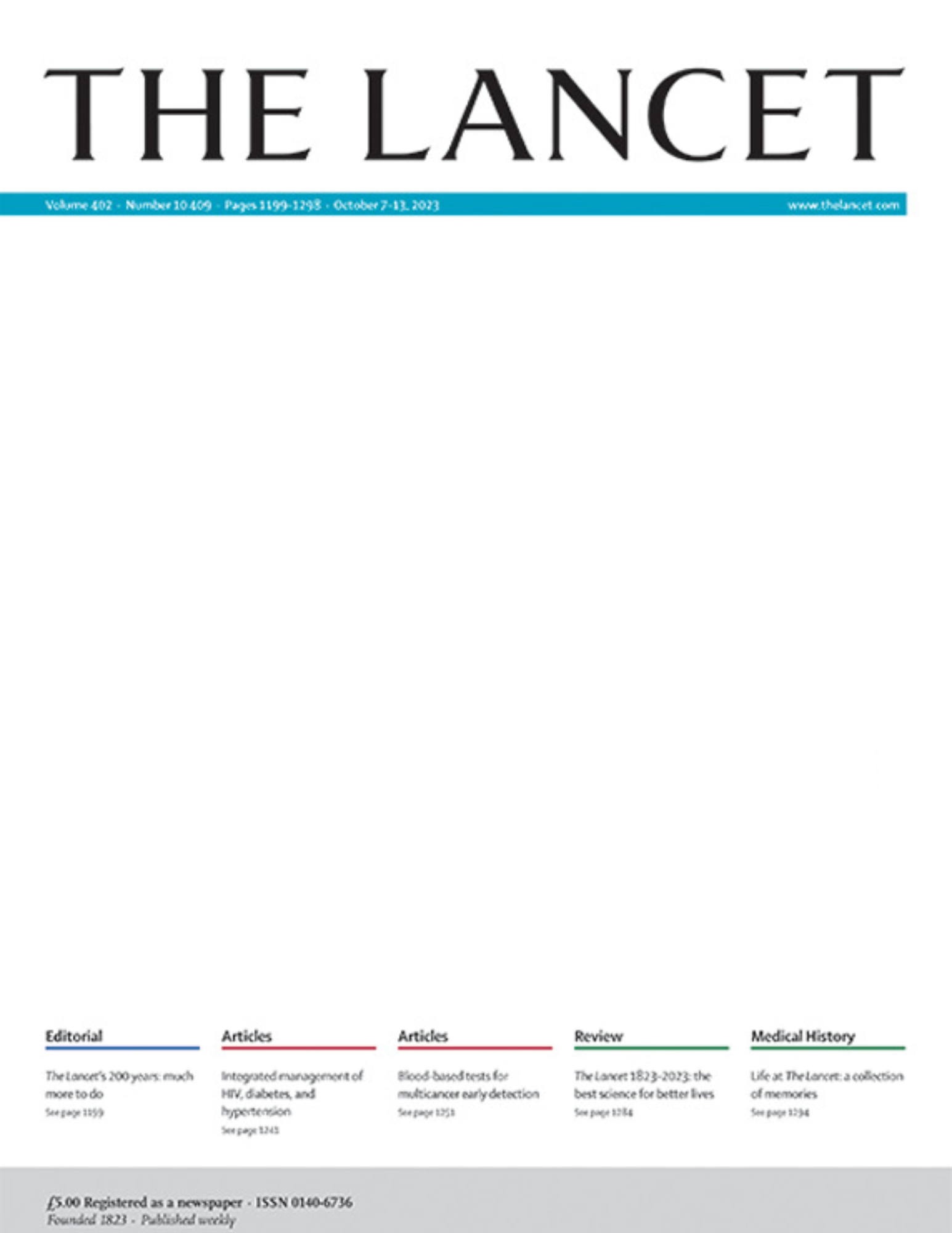
Mechanical supports for acute, severe ankle sprain: A pragmatic, multicentre, randomised controlled trial
 This report has been verified
by one or more authors of the
original publication.
This report has been verified
by one or more authors of the
original publication.
 Este estudo foi identificado como tendo um impacto potencialmente elevado.
A métrica de Alto Impacto da OE, baseada em IA, estima a influência que um artigo poderá ter, integrando sinais da revista em que foi publicado e do conteúdo científico do próprio artigo.
Desenvolvido com recurso ao mais avançado processamento de linguagem natural, o modelo High Impact da OE prevê com maior precisão o desempenho futuro de um estudo em termos de citações do que o fator de impacto da revista por si só.
Isto permite o reconhecimento precoce de investigação clinicamente significativa e ajuda os leitores a concentrarem-se nos artigos com maior probabilidade de moldar a prática futura.
Este estudo foi identificado como tendo um impacto potencialmente elevado.
A métrica de Alto Impacto da OE, baseada em IA, estima a influência que um artigo poderá ter, integrando sinais da revista em que foi publicado e do conteúdo científico do próprio artigo.
Desenvolvido com recurso ao mais avançado processamento de linguagem natural, o modelo High Impact da OE prevê com maior precisão o desempenho futuro de um estudo em termos de citações do que o fator de impacto da revista por si só.
Isto permite o reconhecimento precoce de investigação clinicamente significativa e ajuda os leitores a concentrarem-se nos artigos com maior probabilidade de moldar a prática futura.
OrthoEvidence Journal (OE Journal) - ACE Report
OE Journal. 2013;1(4):12 Lancet. 2009 Feb 14;373(9663):575-81584 patients with severe ankle sprains were recruited from eight emergency departments to assess the effectiveness of three different bracing options and to compare them with a tubular compression brace. Patients were randomized to treatment with a below-knee cast, an Aircast brace, Bledsoe boot, or tubular compression brace. At three month follow-up, there was a significant improvement in the Foot and Ankle scores of the below-knee casting and Airbrace groups in comparison to the tubular compression brace. There were no differences between groups at a nine month follow-up.
Was the allocation sequence adequately generated?
Was allocation adequately concealed?
Blinding Treatment Providers: Was knowledge of the allocated interventions adequately prevented?
Blinding Outcome Assessors: Was knowledge of the allocated interventions adequately prevented?
Blinding Patients: Was knowledge of the allocated interventions adequately prevented?
Was loss to follow-up (missing outcome data) infrequent?
Are reports of the study free of suggestion of selective outcome reporting?
Were outcomes objective, patient-important and assessed in a manner to limit bias (ie. duplicate assessors, Independent assessors)?
Was the sample size sufficiently large to assure a balance of prognosis and sufficiently large number of outcome events?
Was investigator expertise/experience with both treatment and control techniques likely the same (ie.were criteria for surgeon participation/expertise provided)?
Sim = 1
Incerto = 0,5
Não relevante = 0
Não = 0
A Avaliação dos Critérios de Relato avalia a transparência com que os autores relatam as caraterísticas metodológicas e do ensaio na publicação. A avaliação está dividida em cinco categorias que são apresentadas de seguida.
2/4
Randomization
3/4
Outcome Measurements
3/4
Inclusion / Exclusion
2/4
Therapy Description
4/4
Statistics
Detsky AS, Naylor CD, O'Rourke K, McGeer AJ, L'Abbé KA. J Clin Epidemiol. 1992;45:255-65
O Índice de Fragilidade é uma ferramenta que auxilia na interpretação de achados significativos, fornecendo uma medida de força para um resultado. O Índice de Fragilidade representa o número de eventos consecutivos que precisam de ser adicionados a um resultado dicotómico para que o resultado deixe de ser significativo. Um número pequeno representa um resultado mais fraco e um número grande representa um resultado mais forte.
Porque é que este estudo era necessário agora?
Severe ankle sprains are a common occurrence. Current treatment methods for this injury vary greatly, with no consensus on a gold standard. High-quality evidence is lacking on determining the most effective method. Immobilization devices is one of such treatment methods; however, it has not been studied extensively. Thus, this study assessed treatment using a variety of support methods and compared them to a common treatment - the tubular compressive bracing.
Qual era a principal questão de investigação?
Were the clinical outcomes of three mechanical supports for severe ankle sprains (Air cast, Bledsoe boot, and 10 day knee cast) different from a double-layer tubular compression bandage, when measured at 9 months?
Quais foram os resultados importantes?
- The tubular compression bandage was the least effective treatment brace, in terms of improvements in Foot and Ankle scores
- Clinically important benefits occurred at 3 months in the below-knee cast group when compared with the tubular compression bandage for FAOS quality scores (Mean difference: 9%; 95% CI: 2.4-15.0%; p<0.007). Differences were also demonstrated in FAOS pain, symptoms, and activities of daily living subscales.
- Similar FAOS quality scores were seen in the Aircast group (Mean difference: 8%; 95% CI: 1.8 -14.2%; ES: 0.33) and the below-knee cast (Mean difference: 9%; 95% CI: 2.4-15.0%; ES: 0.36) at 3 months. These scores were better than those in the tubigrip and Bledsoe groups.
- Pertaining to the SF-12 scores, patients in the Aircast and Bledsoe groups had better mental health-related quality of life, in comparison to the other 2 groups at 3 months.
- There were no differences in outcomes between any of the groups at 9 months.
De que é que me devo lembrar mais?
Results from this study indicated that both below-knee casting and the Aircast brace were superior treatments for severe ankle sprains, as treatments provided significant improvements in Foot and Ankle scores at 3 months when compared to a tubular compression brace.
Como é que isto afectará o tratamento dos meus doentes?
Based on the results from this study patients presenting with severe ankle sprains are advised to undergo short term immobilization treatment using either a 10 day below-knee cast or an Aircast brace. It may be beneficial to determine whether additional treatments such as physiotherapy or surgery are useful adjuncts to mechanical supports, and the optimal time for application.

AVISO LEGAL
O conteúdo desta página destina-se apenas a fins informativos e não pretende substituir o aconselhamento, diagnóstico ou tratamento médico profissional. Se necessitar de tratamento médico, procure sempre o conselho do seu médico ou dirija-se ao serviço de urgência mais próximo. As opiniões, crenças e pontos de vista expressos pelos indivíduos no conteúdo encontrado nesta página não reflectem as opiniões, crenças e pontos de vista da OrthoEvidence.
0 de 4 artigos mensais GRATUITOS desbloqueados



