










OSTEOARTHRITIS
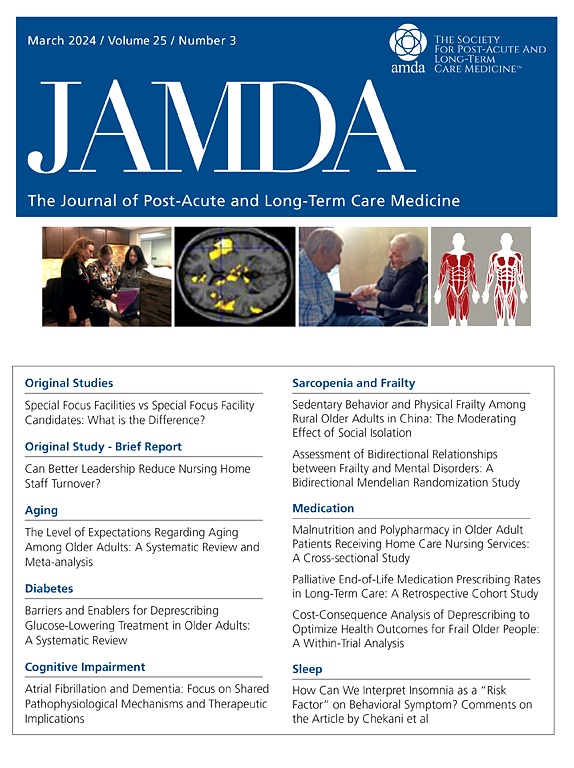
Home-Based Remote Rehabilitation Leads to Superior Outcomes for Older Women With Knee Osteoarthritis: A Randomized Controlled Trial.
OrthoEvidence Journal (OE Journal) - ACE Report
OE Journal. 2025;13(24):8 J Am Med Dir Assoc. 2023 01-Sep;():. 10.1016/j.jamda.2023.08.013Study Summary
Thirty-six women 60 years old or older with radiographically confirmed knee osteoarthritis and Kellgren-Lawrence grade 1 or 2 were randomized 1:1 to either a home-based remote-rehabilitation program (using the exoRehab wearable biofeedback device) or a no-intervention control group. After withdrawals, 15 participants in the experimental group and 16 in the control group completed baseline and 8-week assessments. Overall, the results of the study revealed that remote rehabilitation significantly improved the five-times sit-to-stand test (FTSST) performance relative to control, and within-group gains were observed across timed up-and-go (TUG), knee flexor strength, right-side quadriceps activation, and systolic/diastolic blood pressure. The control group showed only a modest reduction in pain scores. These findings suggest that home-based remote rehabilitation can serve as a viable alternative to supervised exercise for improving physical function in older women with knee osteoarthritis.
Unlock the Full ACE Report
You have access to 4 more FREE articles this month.
Click below to unlock and view this ACE Reports
Unlock Now
Critical appraisals of the latest, high-impact randomized controlled trials and systematic reviews in orthopaedics
Access to OrthoEvidence podcast content, including collaborations with the Journal of Bone and Joint Surgery, interviews with internationally recognized surgeons, and roundtable discussions on orthopaedic news and topics
Subscription to The Pulse, a twice-weekly evidence-based newsletter designed to help you make better clinical decisions
Exclusive access to original content articles, including in-house systematic reviews, and articles on health research methods and hot orthopaedic topics
Or upgrade today and gain access to all OrthoEvidencecontent for as little as $1.99 per week.
Already have an account? Log in
Are you affiliated with one of our partner associations?
Click here to gain complimentary access as part your association member benefits!


0 of 4 monthly FREE articles unlocked



