











PERI-OPERATIVE
Oral versus Intravenous Antibiotics for Bone and Joint Infection
 This study has been identified as potentially high impact.
OE's AI-driven High Impact metric estimates the influence a paper is likely to have by integrating signals from both the journal in which it is published and the scientific content of the article itself.
Developed using state-of-the-art natural language processing, the OE High Impact model more accurately predicts a study's future citation performance than journal impact factor alone.
This enables earlier recognition of clinically meaningful research and helps readers focus on articles most likely to shape future practice.
This study has been identified as potentially high impact.
OE's AI-driven High Impact metric estimates the influence a paper is likely to have by integrating signals from both the journal in which it is published and the scientific content of the article itself.
Developed using state-of-the-art natural language processing, the OE High Impact model more accurately predicts a study's future citation performance than journal impact factor alone.
This enables earlier recognition of clinically meaningful research and helps readers focus on articles most likely to shape future practice.
OrthoEvidence Journal (OE Journal) - ACE Report
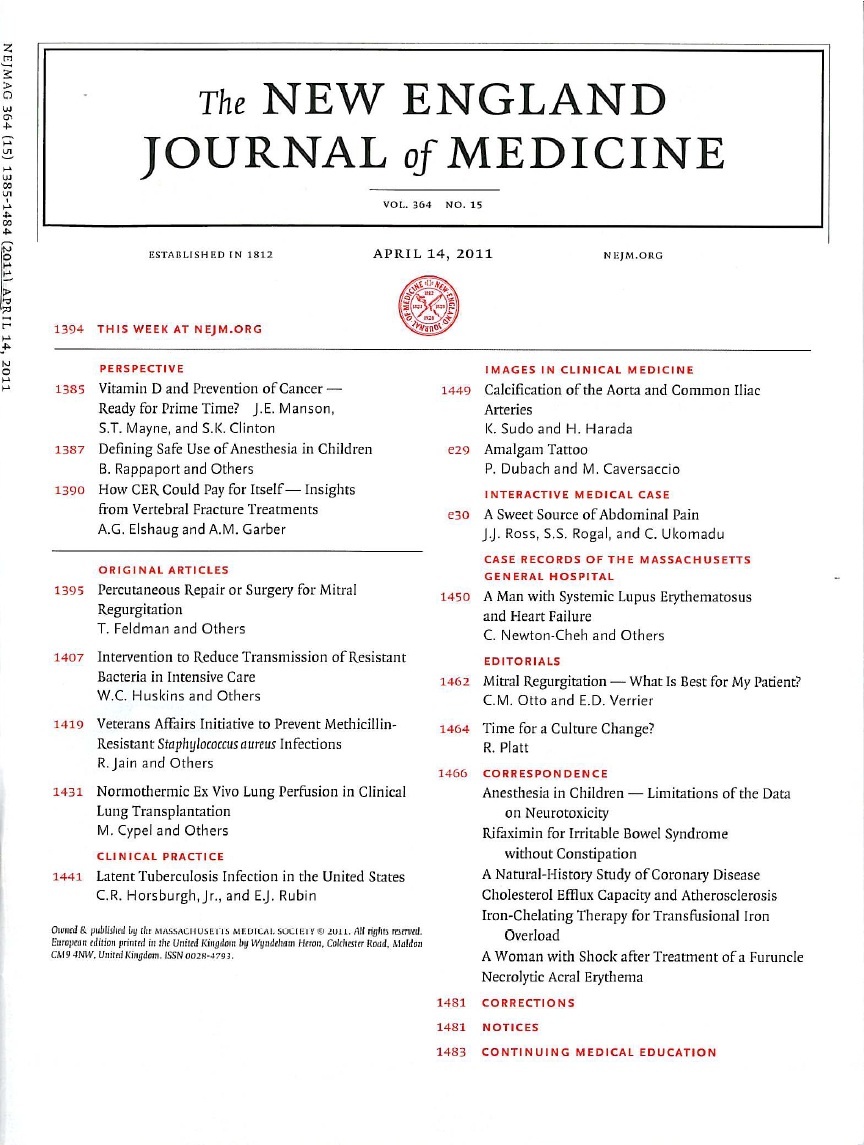
OE Journal. 2022;10(1):10 N Engl J Med. 2019 Jan 31;380(5): 425-436.What this means for my practice?
The results of this study suggest that oral antibiotics are non-inferior to intravenous antibiotics for the management of bone and joint infection, as measured by treatment failure. Moreover, oral antibiotics are associated with a shorter length of stay and fewer complications compared to intravenous treatment. This study was limited by the open label design and potential differences in follow-on treatment. This study challenges the widely accepted standard use of intravenous antibiotics for bone/joint infection.
Study Summary
1054 patients being treated for bone or joint infection at 26 UK centers were randomized in this non-inferiority trial to receive 6 weeks of oral antibiotic therapy (n=527) or 6 weeks of intravenous antibiotic therapy (n=527). The primary outcome of interest was the rate of definite treatment failure. Secondary outcomes of interest included the rate of treatment discontinuation, catheter complications, diarrhea caused by C.difficile, serious adverse events, length of hospitalization, and patient-reported outcomes (Oxford Hip and Knee Scores [OHS; OKS]; EuroQual-5Dimension scores [EQ-5D]). Outcomes were assessed at 6 weeks, 4 months, and 1 year follow-up. Oral antibiotics were found to be non-inferior to intravenous antibiotics with regards to the risk of definitive treatment failure. The incidence of early discontinuation of treatment and catheter complications, and length of hospitalization were significantly higher in the intravenous group, however, no differences in the incidence of diarrhea or serious adverse events were observed between the two groups. EQ-5D scores and OHS scores were not significantly different between groups at 4 months and 1 year post-treatment, however, OKS scores were better in the oral group at both time points.
Why was this study needed now?
Patients with bone and joint infection require prolonged antibiotic treatment, which is frequently delivered intravenously. However, the use of intravenous antibiotics has been associated with additional complications and higher costs vs. oral antibiotics. Therefore, it is of interest to determine whether oral antibiotics can provide an non-inferior management of bone and joint infection.
What was the principal research question?
In patients with acute or chronic bone/joint infection, is oral antibiotic therapy non-inferior to intravenous antibiotic therapy with respect to treatment success, within 1 year post-randomization?

DISCLAIMER
This content found on this page is for informational purposes only and is not intended to be a substitute for professional medical advice, diagnosis, or treatment. If you require medical treatment, always seek the advice of your physician or go to your nearest emergency department. The opinions, beliefs, and viewpoints expressed by the individuals on the content found on this page do not reflect the opinions, beliefs, and viewpoints of OrthoEvidence.
0 of 4 monthly FREE articles unlocked



