










TRAUMA
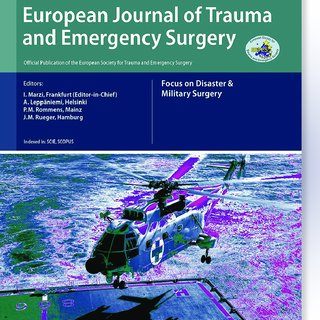
Optimal timing of stabilization and operative technique for extremity fractures in polytrauma patients: a systematic review and meta-analysis.
OrthoEvidence Journal (OE Journal) - ACE Report
OE Journal. 2025;13(6):74 Eur J Trauma Emerg Surg. 2025 Jan 19;51(1):27.Study Summary
Five randomized controlled trials including 335 adult patients with severe polytrauma and femoral fractures were included in this systematic review and meta-analysis comparing early definitive stabilization versus delayed stabilization, and early total care (ETC) with intramedullary nailing versus damage control orthopedics (DCO) using external fixation. Pooled outcomes of interest included overall mortality, ICU admission, ICU and hospital length of stay, and duration of invasive mechanical ventilation. While early stabilization showed favorable trends, no statistically significant difference in mortality was observed. ETC with intramedullary nailing significantly reduced ICU stay and duration of mechanical ventilation compared to DCO. These findings suggest that early surgical intervention, particularly with ETC strategies, may offer improved outcomes in stable polytrauma patients.
Unlock the Full ACE Report
You have access to 4 more FREE articles this month.
Click below to unlock and view this ACE Reports
Unlock Now
Critical appraisals of the latest, high-impact randomized controlled trials and systematic reviews in orthopaedics
Access to OrthoEvidence podcast content, including collaborations with the Journal of Bone and Joint Surgery, interviews with internationally recognized surgeons, and roundtable discussions on orthopaedic news and topics
Subscription to The Pulse, a twice-weekly evidence-based newsletter designed to help you make better clinical decisions
Exclusive access to original content articles, including in-house systematic reviews, and articles on health research methods and hot orthopaedic topics
Or upgrade today and gain access to all OrthoEvidencecontent for as little as $1.99 per week.
Already have an account? Log in
Are you affiliated with one of our partner associations?
Click here to gain complimentary access as part your association member benefits!


0 of 4 monthly FREE articles unlocked



