










PHYSICAL THERAPY & REHAB
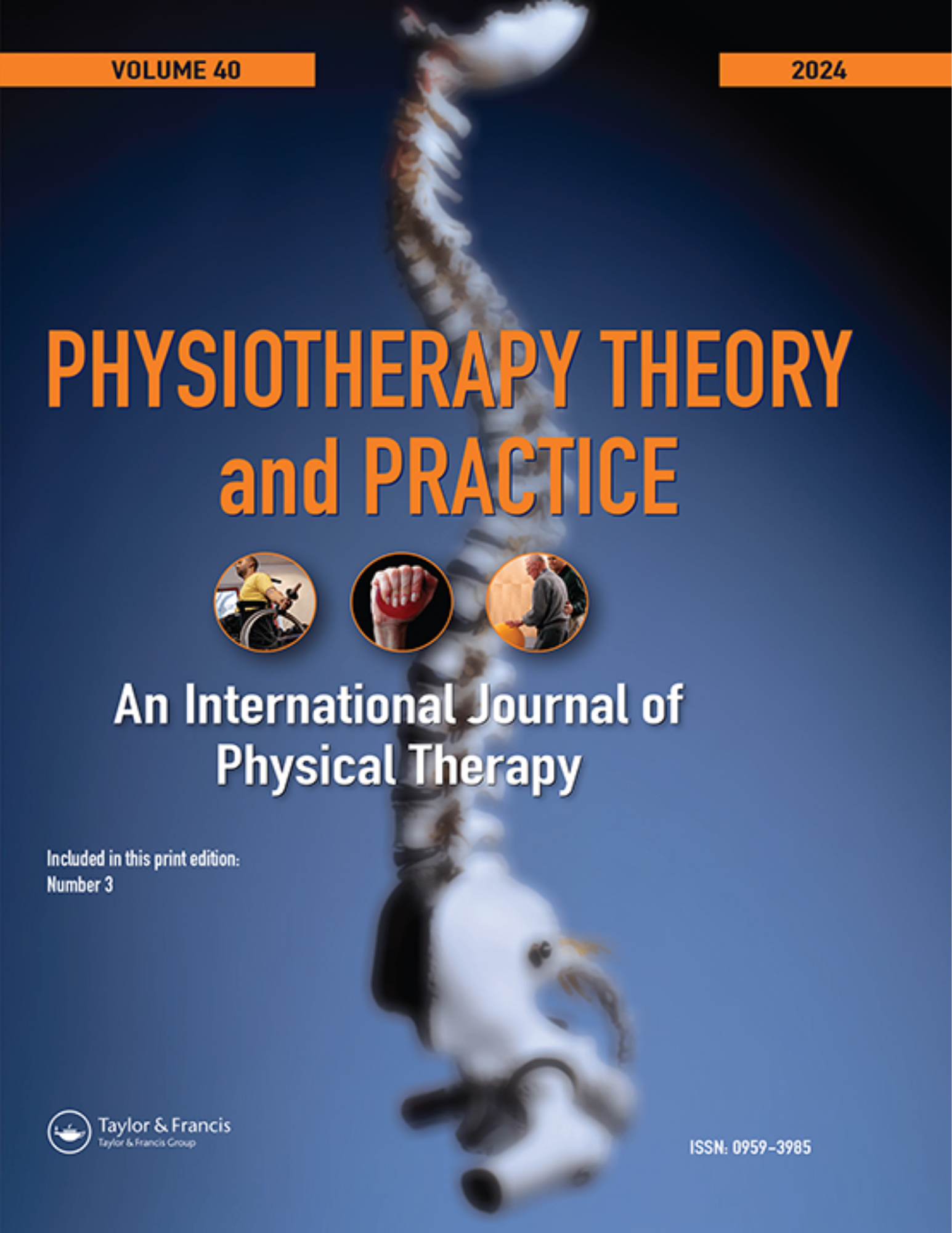
Influence of isostretching on patients with chronic low back pain. A randomized controlled trial
 Ce rapport a été vérifié
par un ou plusieurs auteurs de la
publication originale.
Ce rapport a été vérifié
par un ou plusieurs auteurs de la
publication originale.
OrthoEvidence Journal (OE Journal) - ACE Report
OE Journal. 2021;9(6):20 Physiother Theory Pract . 2021 Feb;37(2):287-294Résumé de l'étude
Fifty-four patients diagnosed with chronic low back pain were randomized to undergo an isostretching exercise program or a control group (no treatment; waiting listed for physical therapy). Primary outcomes of interest included pain and function were measured using the visual analogue scale (VAS) and the the Roland-Morris Disability Questionnaire (RMDQ), respectively. Additional outcomes included quality of life measured using the Short Form 36 (SF-36) survey and associated sub-scores (i.e. functional capacity, physical aspects, pain, general health status, mental health, emotional aspects, social aspects, and vitality). Furthermore, patient and evaluator satisfaction, as well as number of diclofenac pills consumed, were also evaluated. All outcomes were measured at 20-days and 45-days follow-up. Results revealed that in the isostretching exercise group, VAS mean and RMDQ values both statistically significantly improved over time (p<0.001 for both), but not in the control group (p>0.05 for both). The improvement over time in VAS and mean RMDQ scores was statistically significantly greater in the isostretching group (p=0.003; p=0.026). The number of diclofenac pills consumed were also statistically significantly less in the isostretching group at 20-days and 45 days follow-up compared to the control (p=0.03 for both). For quality of life outcomes, the improvement over time in functional capacity, physical aspects and general health status subscores was statistically significantly greater in the isostretching group (p=0.012; p=0.011; p=0.006, respectively); however, all other sub-scores were not statistically significant (p>0.05). Finally, patient satisfaction at both 20 and 45 days follow-up was statistically significantly better in the isostretching group compared to the control group (p<0.001 for both). The same pattern was observed for the evaluator satisfaction.
Débloquez le rapport complet du CAE
Vous avez accès à 4 plus d'articles GRATUITS ce mois-ci.
Cliquez ci-dessous pour déverrouiller et visionner ce ACE Reports
Déverrouillez maintenant
Évaluations critiques des derniers essais contrôlés randomisés à fort impact et des revues systématiques en orthopédie
Accès au contenu des podcasts OrthoEvidence, y compris les collaborations avec le Journal of Bone and Joint Surgery, les entretiens avec des chirurgiens de renommée internationale et les tables rondes sur l'actualité et les sujets orthopédiques.
Abonnement à The Pulse, une lettre d'information bihebdomadaire fondée sur des données probantes, conçue pour vous aider à prendre de meilleures décisions cliniques.
Accès exclusif à des articles au contenu original, y compris des revues systématiques internes et des articles sur les méthodes de recherche en santé et les sujets d'actualité en orthopédie.
Ou mettez votre compte à niveau dès aujourd'hui et accédez à tout le contenu d'OrthoEvidence pour seulement 1,99 $ par semaine.
Vous avez déjà un compte ? Se connecter
Vous êtes affilié à l'une de nos associations partenaires ?
Cliquez ici pour bénéficier d'un accès gratuit dans le cadre des avantages réservés aux membres de votre association !


Abonnez-vous à "Le pouls"
L'orthopédie fondée sur des données probantes directement dans votre boîte de réception. S'ABONNER
0 de 4 articles mensuels GRATUITS débloqués



