










PHYSICAL THERAPY & REHAB
Efficacy of diadynamic currents as an adjunct to exercise to manage symptoms of knee osteoarthritis in adults: A randomized controlled clinical trial.
OrthoEvidence Journal (OE Journal) - ACE Report
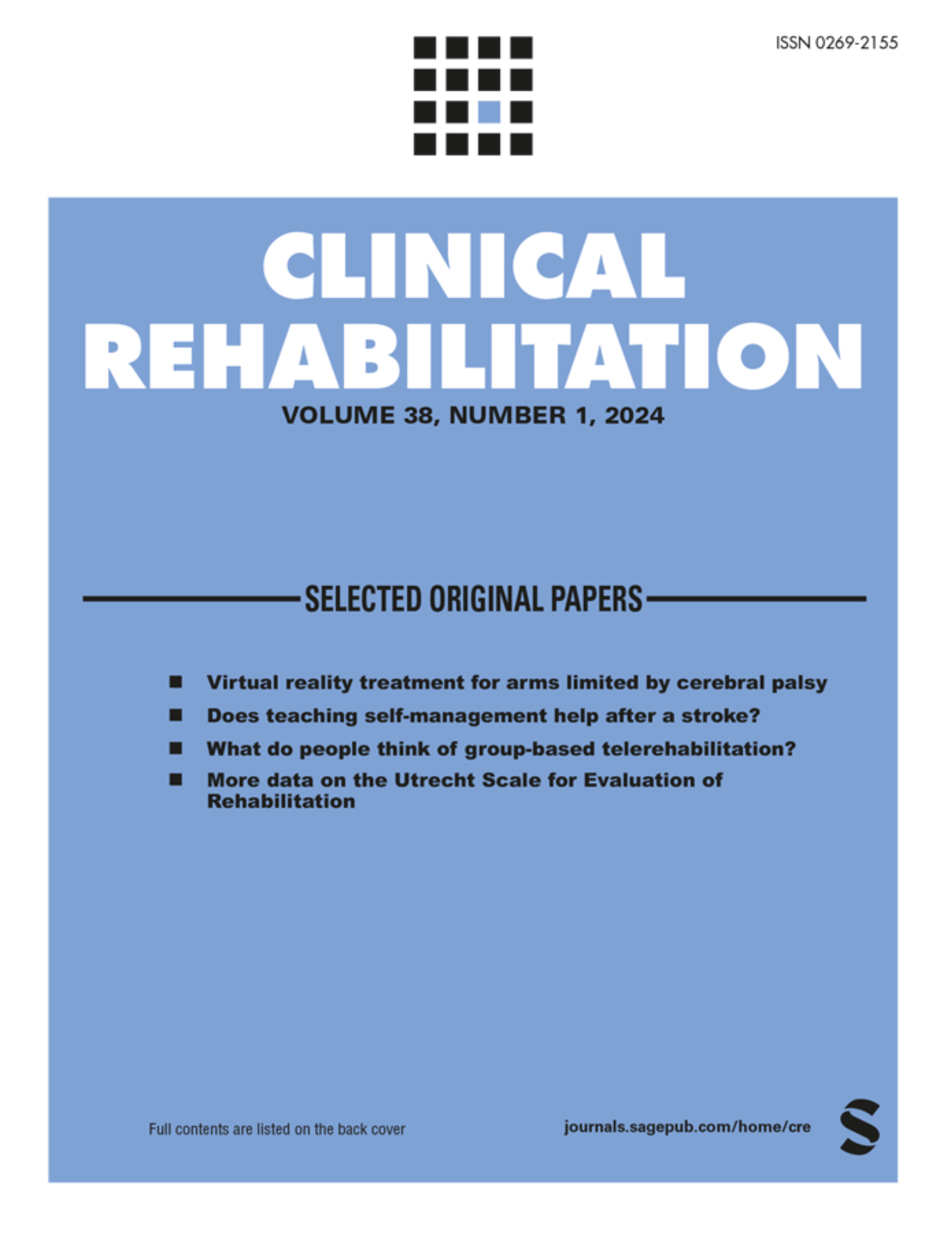
OE Journal. 2025;13(5):25 Clin Rehabil. 2024 Jul;38(7):920-931.Study Summary
Sixty patients with bilateral knee osteoarthritis were randomized to receive diadynamic currents combined with exercise (n=30, 60 knees) or exercise alone (n=30, 60 knees), three times a week for 8 weeks. The primary outcomes were changes in knee pain assessed by the visual analog scale and disability measured using the Lequesne Index. Secondary outcomes included mobility (Timed Up and Go test), range of motion (goniometer), muscle strength (dynamometer), pain and disability composite scores (Western Ontario and McMaster Universities Osteoarthritis Questionnaire), and medication intake (paracetamol). Assessments were conducted at baseline, 8 weeks, and 6 months. Overall, the study found that adding diadynamic currents significantly improved pain and disability scores compared to exercise alone, with sustained benefits at 6 months. These findings suggest that diadynamic currents may enhance rehabilitation outcomes in knee osteoarthritis.
Unlock the Full ACE Report
You have access to 4 more FREE articles this month.
Click below to unlock and view this ACE Reports
Unlock Now
Critical appraisals of the latest, high-impact randomized controlled trials and systematic reviews in orthopaedics
Access to OrthoEvidence podcast content, including collaborations with the Journal of Bone and Joint Surgery, interviews with internationally recognized surgeons, and roundtable discussions on orthopaedic news and topics
Subscription to The Pulse, a twice-weekly evidence-based newsletter designed to help you make better clinical decisions
Exclusive access to original content articles, including in-house systematic reviews, and articles on health research methods and hot orthopaedic topics
Or upgrade today and gain access to all OrthoEvidencecontent for as little as $1.99 per week.
Already have an account? Log in
Are you affiliated with one of our partner associations?
Click here to gain complimentary access as part your association member benefits!



0 of 4 monthly FREE articles unlocked



