










PHYSICAL THERAPY & REHAB
Muscle Energy Technique Versus Corticosteroid Injection for Management of Chronic Lateral Epicondylitis: Randomized Controlled Trial With 1-Year Follow-up
 This report has been verified
by one or more authors of the
original publication.
This report has been verified
by one or more authors of the
original publication.
OrthoEvidence Journal (OE Journal) - ACE Report
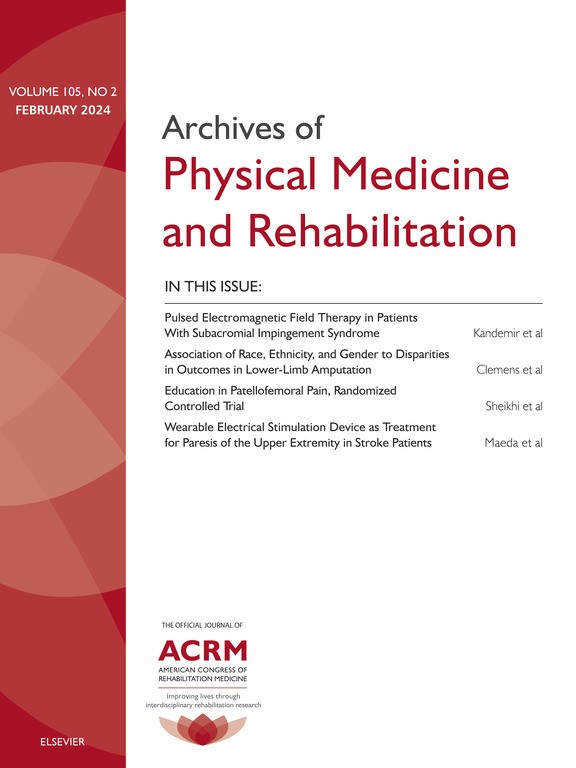
OE Journal. 2014;2(4):21 Arch Phys Med Rehabil. 2013 Nov;94(11):2068-7482 patients with persisting (over 3 months) unilateral lateral epicondylitis participated in this study to compare muscle energy techniques (MET) to corticosteroid steroid injections (CSI) in the treatment of lateral epicondylitis. Patients participated in 8 sessions of muscle energy technique over the course of 4 weeks or were administered a single injection of triamcinolone acetonide and lidocaine. Patients were assessed at 6, 26 and 52 week follow-ups. Both treatments resulted in improved pain and function throughout the one year study period. CSI patients experienced accelerated results in the first 6 post-treatment weeks. However after 1 year, patients who underwent muscle energy techniques had superior outcomes concerning pain-free grip strength and pain intensity.
Was the allocation sequence adequately generated?
Was allocation adequately concealed?
Blinding Treatment Providers: Was knowledge of the allocated interventions adequately prevented?
Blinding Outcome Assessors: Was knowledge of the allocated interventions adequately prevented?
Blinding Patients: Was knowledge of the allocated interventions adequately prevented?
Was loss to follow-up (missing outcome data) infrequent?
Are reports of the study free of suggestion of selective outcome reporting?
Were outcomes objective, patient-important and assessed in a manner to limit bias (ie. duplicate assessors, Independent assessors)?
Was the sample size sufficiently large to assure a balance of prognosis and sufficiently large number of outcome events?
Was investigator expertise/experience with both treatment and control techniques likely the same (ie.were criteria for surgeon participation/expertise provided)?
نعم = 1
غير مؤكد = 0.5
غير ذي صلة = 0
لا = 0
يقيّم تقييم معايير الإبلاغ الشفافية التي يبلغ بها المؤلفون عن الخصائص المنهجية والتجريبية للتجربة في المنشور. ينقسم التقييم إلى خمس فئات معروضة أدناه.
4/4
Randomization
4/4
Outcome Measurements
4/4
Inclusion / Exclusion
4/4
Therapy Description
3/4
Statistics
Detsky AS, Naylor CD, O'Rourke K, McGeer AJ, L'Abbé KA. J Clin Epidemiol. 1992;45:255-65
مؤشر الهشاشة هو أداة تساعد في تفسير النتائج المهمة، وتوفر مقياسًا لقوة النتيجة. ويمثل مؤشر الهشاشة عدد الأحداث المتتالية التي يجب إضافتها إلى نتيجة ثنائية التفرع لجعل النتيجة غير مهمة. يمثل الرقم الصغير نتيجة أضعف ويمثل الرقم الكبير نتيجة أقوى.
لماذا كانت هناك حاجة لهذه الدراسة الآن؟
Lateral epicondylitis (LE), more commonly known as tennis elbow, involves tenderness and pain of the lateral epicondyle of the humerus caused by repetitive wrist movements and strong gripping. The precise etiology and pathophysiology are undetermined, which subsequently makes determining the optimal treatment difficult. Various treatment methods for LE include rest, non-steroidal anti-inflammatory drugs (NSAIDs), bracing, physical therapy, corticosteroid injections, exercise, extra-corporeal shock wave therapy, platelet-rich plasma injections, prolotherapy, botulin toxin injections, and surgery. Of all these treatments, corticosteroid injections have traditionally been viewed as effective in the short term, but may actually impair recovery in the long-term and lead to an assortment of adverse events. Muscle energy techniques (MET) have been developed to treat musculoskeletal disorders, and may lead to improvements in both pain and function. Therefore, this study was brought forward to compare corticoteroid injections and muscle energy techniques in the treatment of lateral epicondylitis.
ما هو سؤال البحث الرئيسي؟
How do muscle energy techniques compare to corticosteroid injections in the short- and long-term efficacy of lateral epicondylitis treatment, when assessed over a 1 year period?
ما هي النتائج المهمة؟
- At the 6 week follow-up, PSGF in the MET group was 60.95% compared to 72.48% in the CSI group. PSGF continued to improve in the MET group at 26 and 52 weeks (68.90% and 75.08%) respectively, but improvements in the CSI group decreased at 26 (61.45%) and 52 weeks (62.24%). The differences were significant in favour of the CSI group at the first follow-up (p=0.005), but results were in favour of the MET group by 52 weeks (p=0.007).
- At each follow-up, the MET measurements for PSFG improved significantly from the last (p<0.001). The CSI group showed significant improvements at week 6 compared to baseline only. The decrease in PSGF in the CSI group from week 6 to week 26 was statistically significant (p<0.001).
- VAS scores were comparable between groups at baseline (p=0.330). At 6 weeks, the CSI group had significantly lower pain scores (2.98 compared to 4.38; p=0.004). By week 26, the MET group had lower pain scores than the CSI group (4.00 compared to 5.29; p=0.016). At the final follow-up, VAS pain scores for the MET group were 3.28 compared to 4.95 in the CSI group (p=0.001).
- In the MET group, the reduction in pain from baseline to 6 weeks and from 26 to 52 weeks were both statistically significant (p<0.001). In the CSI group, noticeable improvements in VAS pain were observed from baseline to week 6. The increase in pain (ie. worsening) from 6 weeks to 26 weeks in the CSI group was also statistically significant (p<0.001).
- There was no significant difference in DASH score between groups at 6 weeks (MET 26.25; CSI 21.10; p=0.113). DASH scores at the 26 and 52 week follow-ups were lower in the MET group (23.78 and 22.56, respectively) compared to the CSI group (27.84 and 27.03, respectively), although statistical significance was not reached (p=0.079 and p=0.061).
- Within the MET group, improvement in DASH score was significant from baseline to 6 weeks and from 26 weeks to 52 weeks (both p<0.001). Within the CSI group, improvement in DASH score was significant from baseline to 6 weeks. The worsening in DASH score from 6 weeks to 26 weeks in the CSI group was also statistically significant (p<0.001).
- No adverse events were observed in the MET group. Three AEs were reported in CSI patients; 1 patient experienced pain for 5 days following the injection, 2 reported loss of skin pigment and 1 patient had subcutaneous atrophy.
ما الذي يجب أن أتذكره أكثر؟
Although the corticosteroid group had superior pain-free grip strength and pain intensity in the first 6 weeks following treatment for lateral epicondylitis, treatment with muscle energy techniques resulted in significantly better results 26 and 52 weeks for these outcomes. By 1 year, measures of clinical outcome (ie DASH) were trending to be favoured with MET as well. There were no adverse events reported with treatment through MET.
كيف سيؤثر ذلك على رعاية مرضاي؟
The conclusions of this study suggest both corticosteroid injections and muscle energy techniques improve pain and function associated with lateral epicondylitis in the short-term, but continued improvement with muscle energy techniques combined with regressive effects corticosteroid injections in the long term may identify MET as a more efficacious treatment. Further research is required to compare muscle energy techniques to a sham treatment and treatment modalities, with outcome determined through a comprehensive set of measurements.

تنويه
هذا المحتوى الموجود في هذه الصفحة هو لأغراض إعلامية فقط وليس الغرض منه أن يكون بديلاً عن المشورة الطبية المتخصصة أو التشخيص أو العلاج. إذا كنت بحاجة إلى علاج طبي، اطلب دائمًا مشورة طبيبك أو اذهب إلى أقرب قسم طوارئ إليك. الآراء والمعتقدات ووجهات النظر التي يعبر عنها الأفراد في المحتوى الموجود في هذه الصفحة لا تعكس آراء ومعتقدات ووجهات نظر أورثوإيفيدنس.
0 من 4 مقالات مجانية شهرية غير مقفلة



