






PRACTICE | Jun 04, 2025
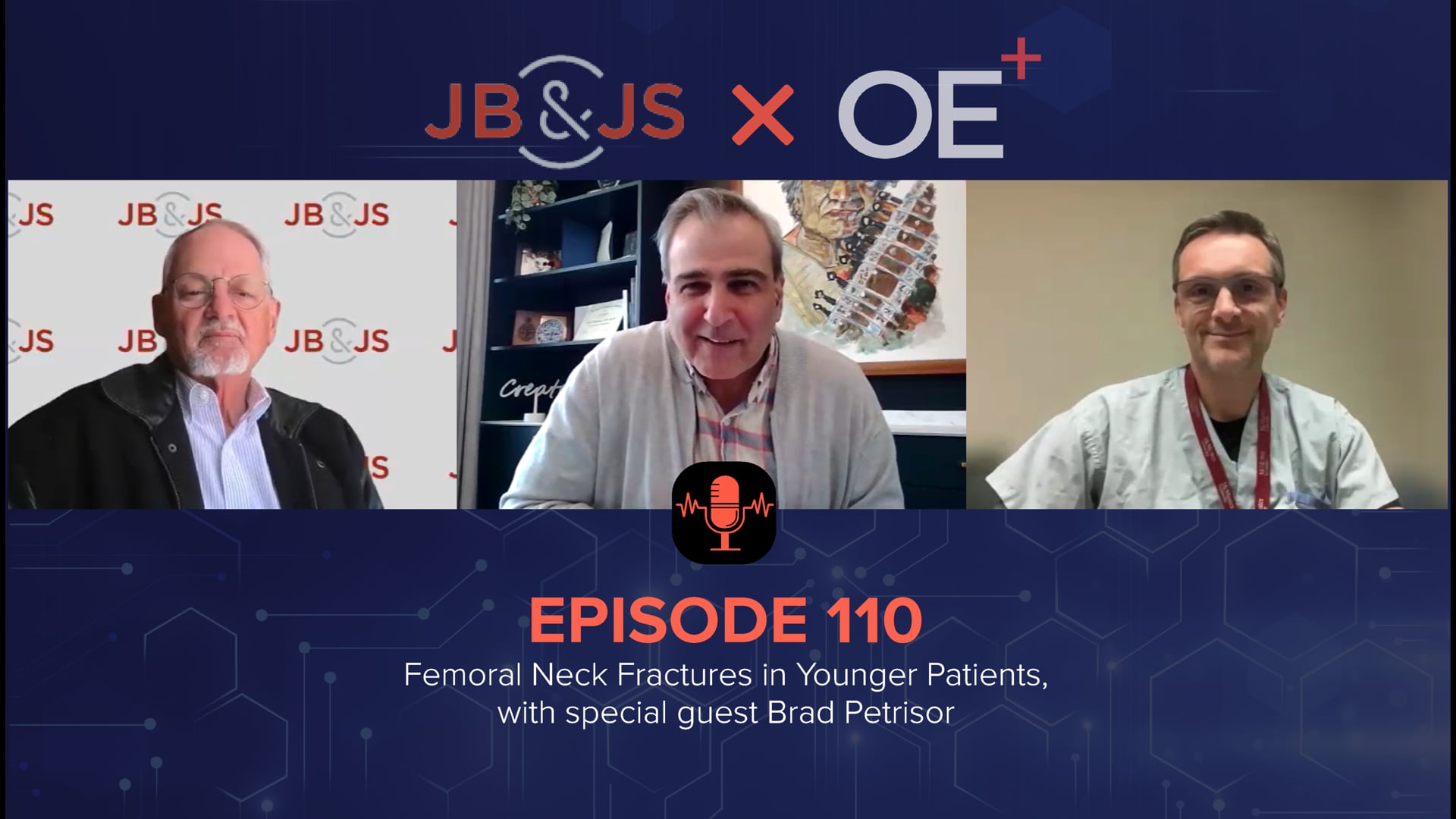
Femoral Neck Fractures in Younger Patients, with special guest Brad Petrisor.
Unlock this Podcast
You have access to 4 more FREE articles this month.
Click below to unlock and view this Videos
Unlock Now
Critical appraisals of the latest, high-impact randomized controlled trials and systematic reviews in orthopaedics
Access to OrthoEvidence podcast content, including collaborations with the Journal of Bone and Joint Surgery, interviews with internationally recognized surgeons, and roundtable discussions on orthopaedic news and topics
Subscription to The Pulse, a twice-weekly evidence-based newsletter designed to help you make better clinical decisions
Exclusive access to original content articles, including in-house systematic reviews, and articles on health research methods and hot orthopaedic topics
Or upgrade today and gain access to all OrthoEvidencecontent for as little as $1.99 per week.
Already have an account? Log in
Are you affiliated with one of our partner associations?
Click here to gain complimentary access as part your association member benefits!
Brad Petrisor
MD FRCS(C)
Professor, Surgery, McMaster University
View More
In this episode, the hosts explore the challenging landscape of young femoral neck fractures, highlighting their high-energy mechanisms, complex morphology, and substantial risk of fixation failure. Drawing on a retrospective Edinburgh cohort, they note that one in four patients under 60 experienced complications—including loss of fixation, nonunion, or avascular necrosis—often leading to poorer long-term function and quality of life. The discussion emphasizes how younger, more active patients tolerate complications poorly, the technical demands of achieving anatomic reduction, and the influence of surgical expertise. The guests underline that outcomes must move beyond radiographs to include gait, mobility, and patient-reported function, especially as true RCTs remain unlikely due to the rarity of these injuries.

DISCLAIMER
This content found on this page is for informational purposes only and is not intended to be a substitute for professional medical advice, diagnosis, or treatment. If you require medical treatment, always seek the advice of your physician or go to your nearest emergency department. The opinions, beliefs, and viewpoints expressed by the individuals on the content found on this page do not reflect the opinions, beliefs, and viewpoints of OrthoEvidence.
0 of 4 monthly FREE articles unlocked



