






RESEARCH | Jun 24, 2024
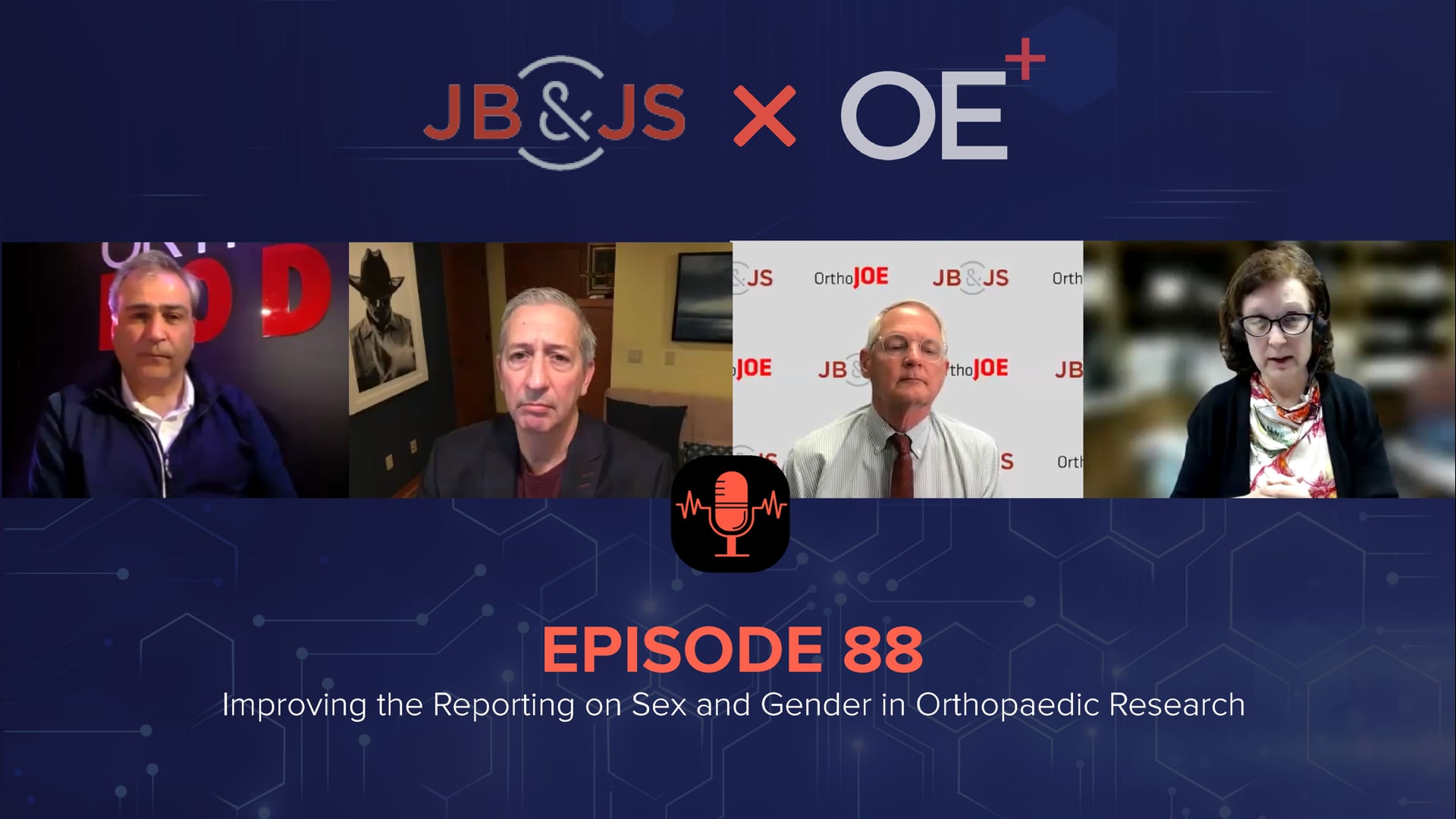
Improving the Reporting on Sex and Gender in Orthopaedic Research.
Unlock this Podcast
You have access to 4 more FREE articles this month.
Click below to unlock and view this Videos
Unlock Now
Critical appraisals of the latest, high-impact randomized controlled trials and systematic reviews in orthopaedics
Access to OrthoEvidence podcast content, including collaborations with the Journal of Bone and Joint Surgery, interviews with internationally recognized surgeons, and roundtable discussions on orthopaedic news and topics
Subscription to The Pulse, a twice-weekly evidence-based newsletter designed to help you make better clinical decisions
Exclusive access to original content articles, including in-house systematic reviews, and articles on health research methods and hot orthopaedic topics
Or upgrade today and gain access to all OrthoEvidencecontent for as little as $1.99 per week.
Already have an account? Log in
Are you affiliated with one of our partner associations?
Click here to gain complimentary access as part your association member benefits!

Kimberly Templeton
MD, FAAOS, FAOA, FAMWA
Professor, University of Kansas
View More
Sex and gender considerations in orthopaedic research remain underdeveloped, and this episode highlights the need for systematic change. The discussion traces how leaders in the field convened a major symposium to address persistent gaps—particularly the failure to analyze outcomes by sex despite routinely reporting participant counts. Pain research emerges as a critical area, with clear biological and gender-driven differences that influence acute and chronic responses, yet remain largely unstudied in orthopaedics. The speakers emphasize coordinated responsibility across researchers, journals, funders, and IRBs to require thoughtful study design, adequate representation, and transparent reporting. Their ideal future is one where sex and gender analysis becomes a default expectation, shaping more accurate evidence, improving clinical guidelines, and informing training for the next generation of clinicians.

DISCLAIMER
This content found on this page is for informational purposes only and is not intended to be a substitute for professional medical advice, diagnosis, or treatment. If you require medical treatment, always seek the advice of your physician or go to your nearest emergency department. The opinions, beliefs, and viewpoints expressed by the individuals on the content found on this page do not reflect the opinions, beliefs, and viewpoints of OrthoEvidence.
0 of 4 monthly FREE articles unlocked



