






LEADERSHIP | Mar 19, 2024
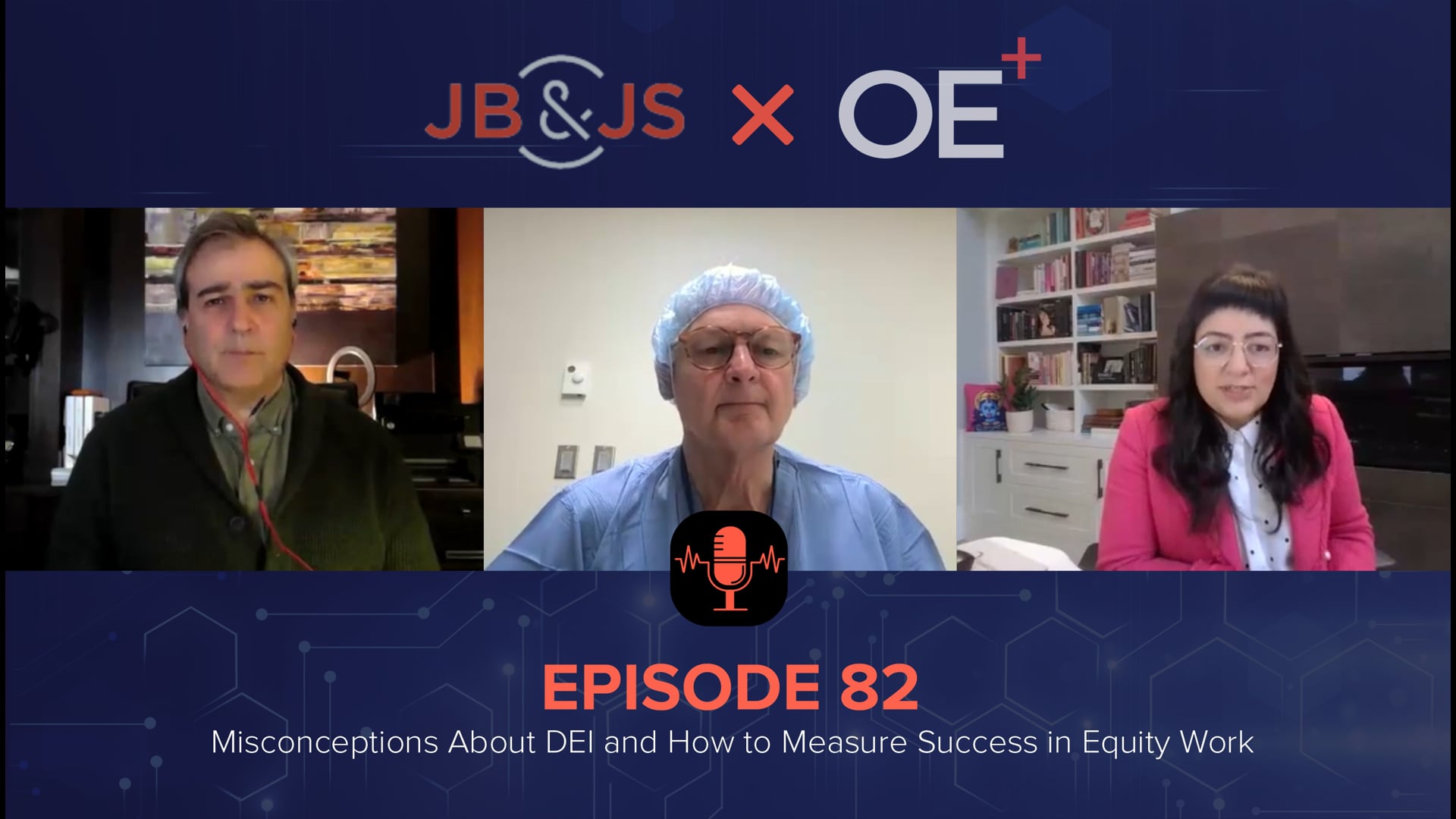
Misconceptions About DEI and How to Measure Success in Equity Work.
Unlock this Podcast
You have access to 4 more FREE articles this month.
Click below to unlock and view this Videos
Unlock Now
Critical appraisals of the latest, high-impact randomized controlled trials and systematic reviews in orthopaedics
Access to OrthoEvidence podcast content, including collaborations with the Journal of Bone and Joint Surgery, interviews with internationally recognized surgeons, and roundtable discussions on orthopaedic news and topics
Subscription to The Pulse, a twice-weekly evidence-based newsletter designed to help you make better clinical decisions
Exclusive access to original content articles, including in-house systematic reviews, and articles on health research methods and hot orthopaedic topics
Or upgrade today and gain access to all OrthoEvidencecontent for as little as $1.99 per week.
Already have an account? Log in
Are you affiliated with one of our partner associations?
Click here to gain complimentary access as part your association member benefits!

Saroo Sharda
MD
Associate Dean of Equity and Inclusion, Faculty of Health Sciences, McMaster University
View More
Equity leader and anesthesiologist Saru Sharda reflects on how creative writing and narrative practice shaped her approach to justice-oriented work in medicine. She describes how lived experiences of racism, academic training in sociology, and narrative methods informed her understanding of power, hierarchy, and systems of oppression. She addresses misconceptions about EDI, emphasizing that inequities stem from structural forces, not individual virtue, and argues for “calling in” through curiosity rather than confrontation alone. Sharda highlights growing evidence on health disparities, the need for ethical race-based data collection, and the importance of diverse leadership that shares power. Looking ahead, she sees 2024 defined by global crises, the necessity of compassionate dialogue, and accountability coupled with belief in people’s capacity to transform.

DISCLAIMER
This content found on this page is for informational purposes only and is not intended to be a substitute for professional medical advice, diagnosis, or treatment. If you require medical treatment, always seek the advice of your physician or go to your nearest emergency department. The opinions, beliefs, and viewpoints expressed by the individuals on the content found on this page do not reflect the opinions, beliefs, and viewpoints of OrthoEvidence.
0 of 4 monthly FREE articles unlocked



