News Cover
What if the future of drug development no longer relies on animals at all?
Cite this Report Cite this Report Cite this Report
Cite
Add to Favorites Add to Favorites Add to Favorites Remove from Favorites Remove from Favorites Remove from Favorites
+ Favorites
Cite this Report Cite this Report Cite this Report
Cite
Add to Favorites Add to Favorites Add to Favorites Remove from Favorites Remove from Favorites Remove from Favorites
+ Favorites
NEWS | INNOVATION

What if the future of drug development no longer relies on animals at all ?
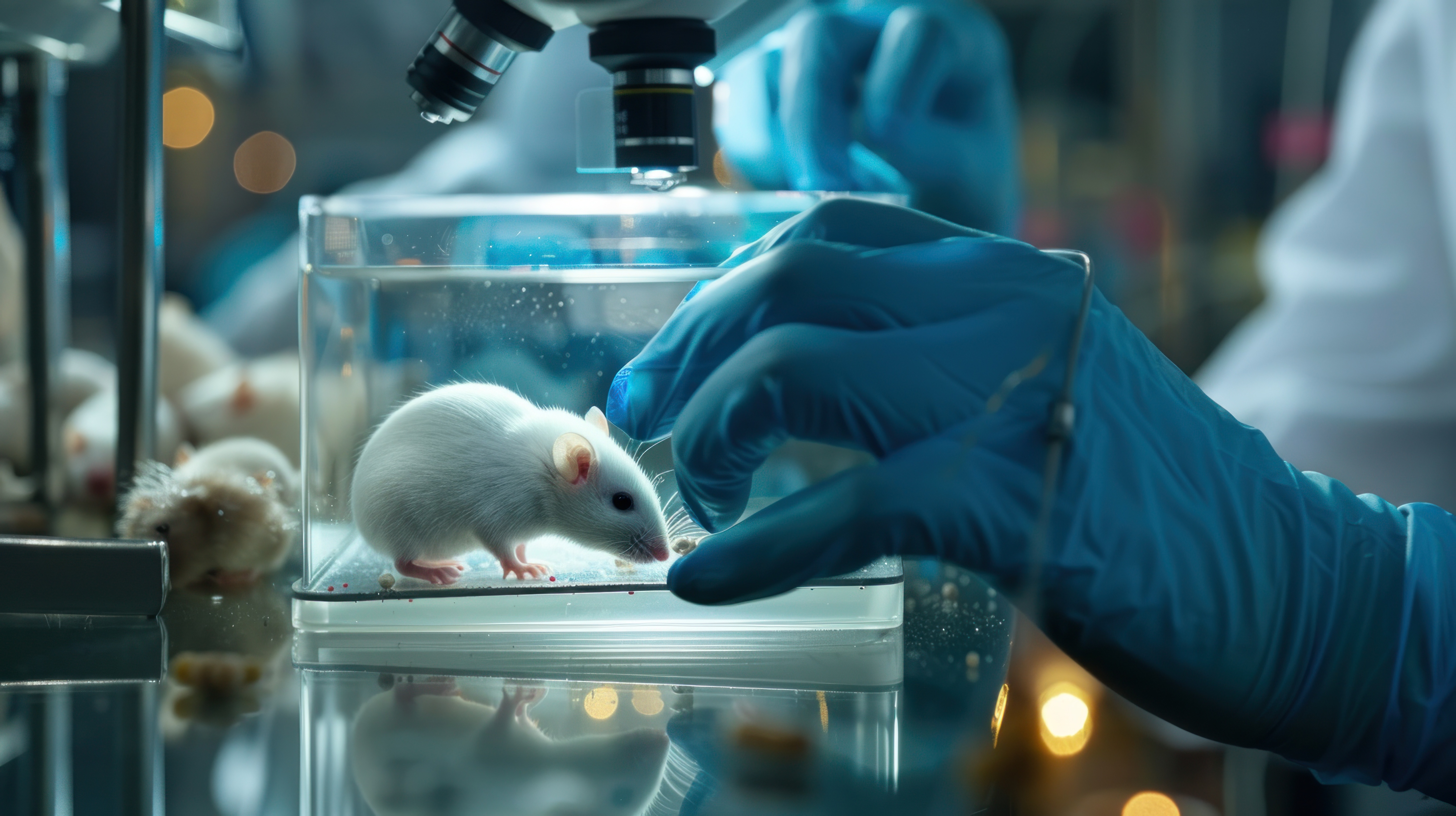
A new push from the U.S. Food and Drug Administration signals a major shift in how therapies may be tested before reaching patients. The agency is increasing support for alternatives to traditional animal testing, encouraging the use of advanced technologies such as artificial intelligence–driven modeling and organ-on-chip systems that simulate human biology. These tools can recreate complex organ functions on miniature chips and allow researchers to evaluate drug safety and effectiveness using human-relevant data. Advocates say these approaches could accelerate drug development, reduce costs, and produce results that better predict how treatments will perform in people. While animal testing will not disappear immediately, the FDA’s initiative marks a significant step toward modernizing biomedical research and expanding the role of emerging technologies in preclinical testing.

Read the full News article from Healio
Read Article
DISCLAIMER

This content found on this page is for informational purposes only and is not intended to be a substitute for professional medical advice, diagnosis, or treatment. If you require medical treatment, always seek the advice of your physician or go to your nearest emergency department. The opinions, beliefs, and viewpoints expressed by the individuals on the content found on this page do not reflect the opinions, beliefs, and viewpoints of OrthoEvidence.

You've reached your limit of 4 free articles views this month

Access to OrthoEvidence for as little as $1.99 per week.

Stay connected with latest evidence. Cancel at any time.
  • Critical appraisals of the latest, high-impact randomized controlled trials and systematic reviews in orthopaedics
  • Access to OrthoEvidence podcast content, including collaborations with the Journal of Bone and Joint Surgery, interviews with internationally recognized surgeons, and roundtable discussions on orthopaedic news and topics
  • Subscription to The Pulse, a twice-weekly evidence-based newsletter designed to help you make better clinical decisions
Upgrade
Welcome Back!
Forgot Password?
Start your FREE trial today!

Your account will be affiliated with
and includes free access to OrthoEvidence


OR
Forgot Password?

OR
Please check your email

If an account exists with the provided email address, a password reset email will be sent to you. If you don't see an email, please check your spam or junk folder.

For further assistance, contact our support team.

Please login to enable this feature

To access this feature, you must be logged into an active OrthoEvidence account. Please log in or create a FREE trial account.

Translate ACE Report

OrthoEvidence utilizes a third-party translation service to make content accessible in multiple languages. Please note that while every effort is made to ensure accuracy, translations may not always be perfect.

Cite this News

Healio. What if the future of drug development no longer relies on animals at all?. 2026. Available from: https://www.healio.com/news/rheumatology/20260312/fda-efforts-to-reduce-animal-testing-signal-shift-toward-ai-organonchip-study-methods

Copy Citation
Please login to enable this feature

To access this feature, you must be logged into an active OrthoEvidence account. Please log in or create a FREE trial account.

Premium Member Feature

To access this feature, you must be logged into a premium OrthoEvidence account.

Share this News