









NEWS | INNOVATION
The Keys to Unlocking Improved 3D-printed Lattice Designs .
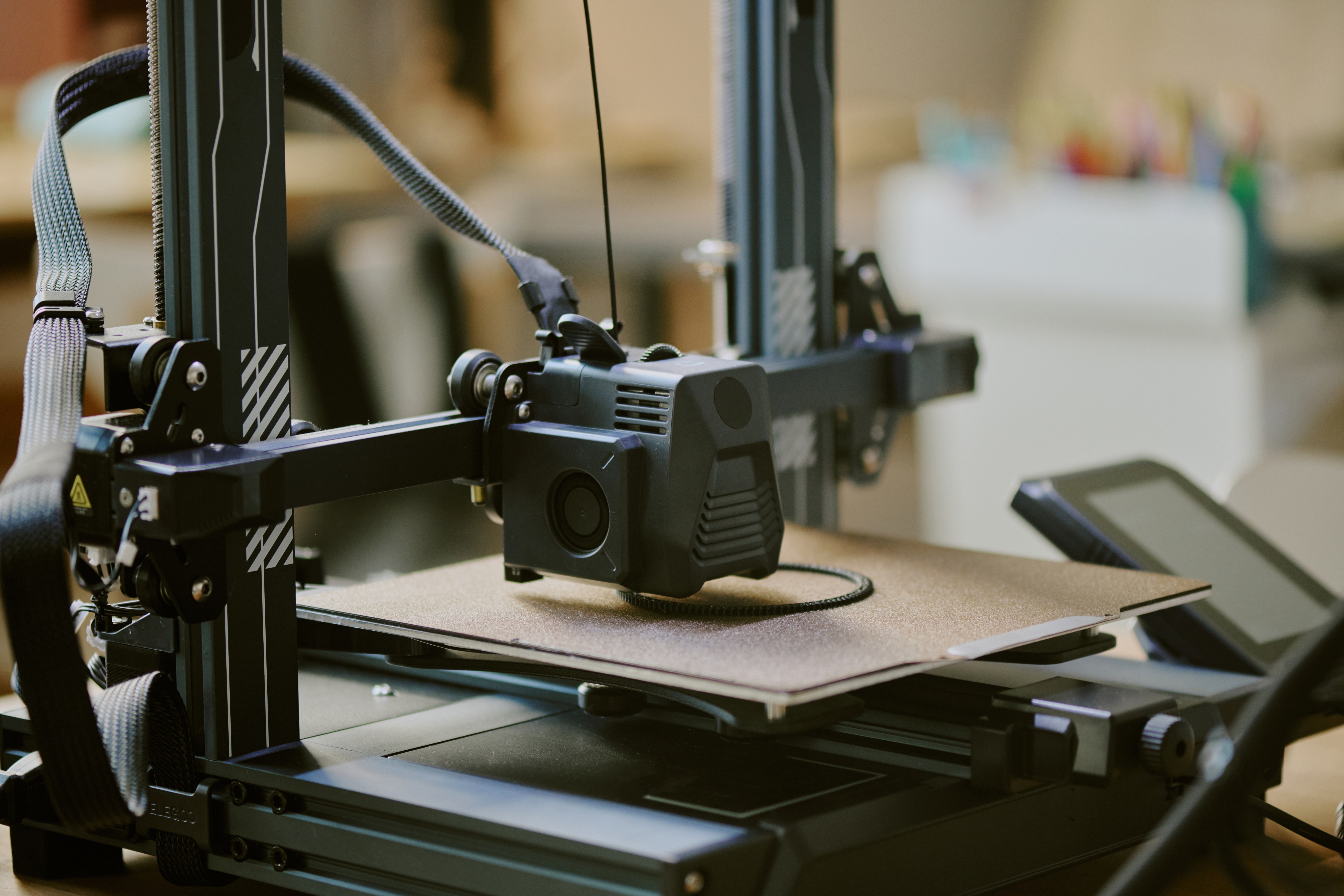
Advances in 3D-printed lattice structures are reshaping orthopedic implant design by enabling implants that better replicate the mechanical and biological properties of bone. Lattice architectures allow engineers to precisely control porosity, stiffness, and load distribution, helping reduce stress shielding while promoting bone ingrowth. The article highlights key factors for improving lattice performance, including optimized unit cell geometry, material selection, and manufacturing consistency during additive production. Computational modeling and simulation are also playing an important role in refining these structures before fabrication. As additive manufacturing technologies mature, improved lattice designs are expected to enhance implant integration, durability, and patient-specific customization, reinforcing the growing importance of engineered porous structures in next-generation orthopedic devices.
Read the full News article from BoneZone
Read Article
DISCLAIMER
This content found on this page is for informational purposes only and is not intended to be a substitute for professional medical advice, diagnosis, or treatment. If you require medical treatment, always seek the advice of your physician or go to your nearest emergency department. The opinions, beliefs, and viewpoints expressed by the individuals on the content found on this page do not reflect the opinions, beliefs, and viewpoints of OrthoEvidence.



